
Tagged: Bethlehem
What have we done with the Christmas story?
 Christians love to hear and tell the traditional Christmas story. The birth of Jesus includes Mary and Joseph seeking shelter on a winter night, no room in the inn, a baby born in a stable, and angels visiting lowly shepherds nearby.
But our modern telling of the account in Luke 2:1-20 embraces critical flaws, according to Kenneth E. Bailey, who spent 40 years teaching the New Testament in the Middle East and who authored Jesus Through Middle Eastern Eyes: Cultural Studies in the Gospels.
According to Bailey, a careful reading of the text, along with an understanding of Jewish culture, illuminate five biblical truths that challenge our Westernized version of the Christmas story:
Continue reading
What have we done with the Christmas story?
Christians love to hear and tell the traditional Christmas story. The birth of Jesus includes Mary and Joseph seeking shelter on a winter night, no room in the inn, a baby born in a stable, and angels visiting lowly shepherds nearby.
But our modern telling of the account in Luke 2:1-20 embraces critical flaws, according to Kenneth E. Bailey, who spent 40 years teaching the New Testament in the Middle East and who authored Jesus Through Middle Eastern Eyes: Cultural Studies in the Gospels.
According to Bailey, a careful reading of the text, along with an understanding of Jewish culture, illuminate five biblical truths that challenge our Westernized version of the Christmas story:
Continue reading
What’s wrong with the Christmas story?
Christians love to hear and tell the traditional Christmas story. The birth of Jesus includes Mary and Joseph seeking shelter on a winter night, no room in the inn, a baby born in a stable, and angels visiting lowly shepherds nearby.
But our modern telling of the account in Luke 2:1-20 embraces critical flaws, according to Kenneth E. Bailey, who spent 40 years teaching the New Testament in the Middle East and who authored Jesus Through Middle Eastern Eyes: Cultural Studies in the Gospels.
According to Bailey, a careful reading of the text, along with an understanding of Jewish culture, illuminate five biblical truths that challenge our Westernized version of the Christmas story:
Continue reading
What have we done to the Christmas story?
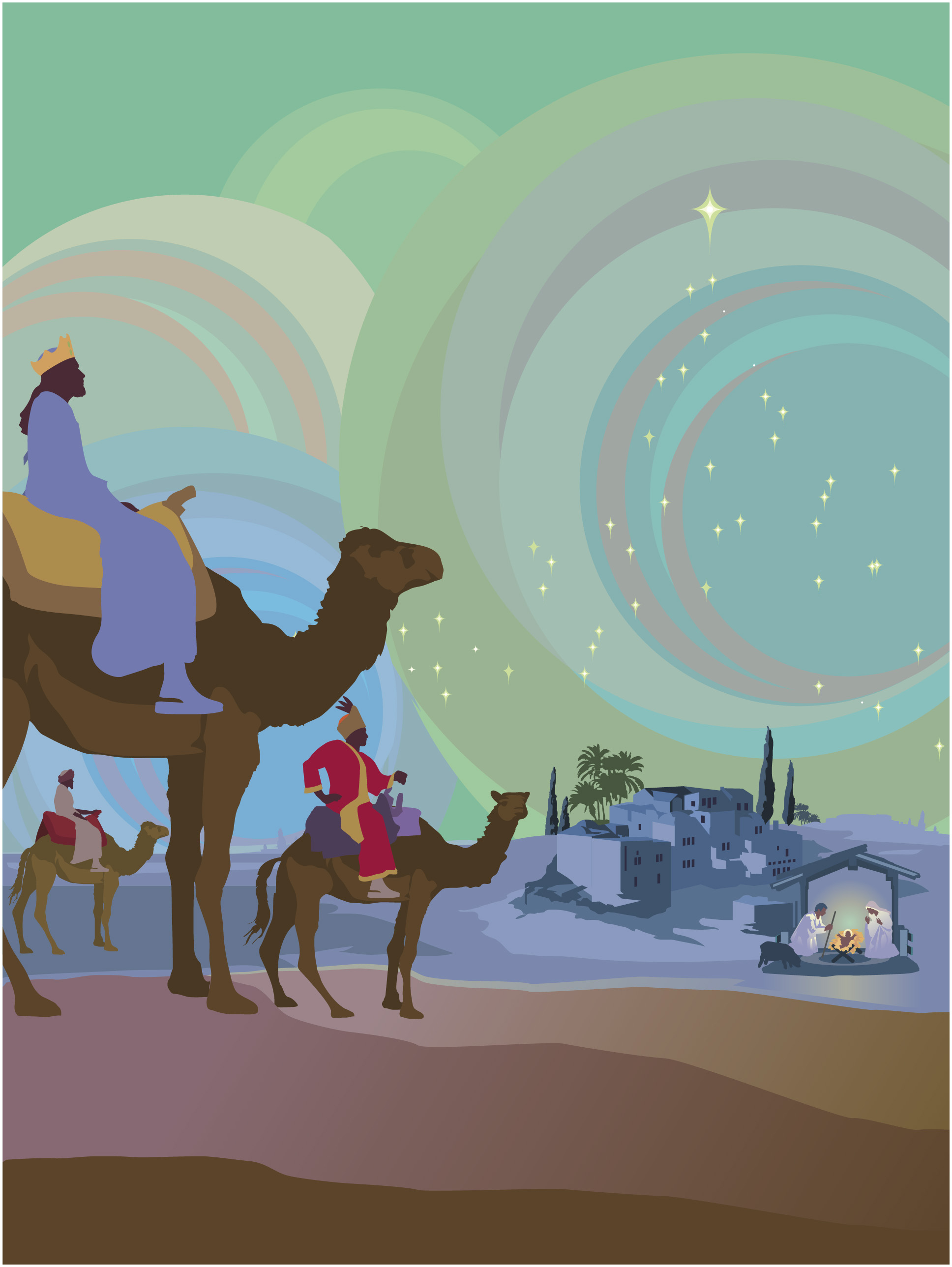 Christians love to hear and tell the traditional Christmas story. The birth of Jesus includes Mary and Joseph seeking shelter on a winter night, no room in the inn, a baby born in a stable, and angels visiting lowly shepherds nearby.
But our modern telling of the account in Luke 2:1-20 embraces critical flaws, according to Kenneth E. Bailey, who spent 40 years teaching the New Testament in the Middle East and who authored Jesus Through Middle Eastern Eyes: Cultural Studies in the Gospels.
According to Bailey, a careful reading of the text, along with an understanding of Jewish culture, illuminate five biblical truths that challenge our Westernized version of the Christmas story:
1. Joseph was returning to the village of his origin. Simply entering Bethlehem and telling people, “I am Joseph, son of Heli, son of Matthat, the son of Levi” instantly would have opened most homes to him.
Jesus in the Feasts of Israel: Tabernacles (part 2)
Download or listen to audio (part 2)
Download or listen to audio (part 1)
The idea of salvation in the Jewish mind — as written in Isa. 12:2 for example — is tied to the feast of tabernacles. The reference in verse 3 to joyfully drawing water from the springs of salvation reminds the people of the ceremony practiced each day of the feast in which water is drawn from the Pool of Siloam, and it foreshadows the day when Jesus would stand, on the final day of the feast, and proclaim, “If anyone is thirsty, he should come to Me and drink” (John 7:37).
“As the Jew was reminded by the feast of tabernacles of his wanderings in tents in the wilderness, so the Jew-Gentile Church to come shall call to mind, with thanksgiving, the various past ways whereby God has at last brought them to the heavenly “city of habitation” (Ps. 107. Robert Jamieson, A.R. Fausset, David Brown, A Commentary, Critical and Explanatory, on the Old and New Testaments, S. Is 12:2).
Everyone can see Jesus in the Feast of Tabernacles by noting the Messianic symbols God gave us — and Jesus fulfilled — in the feast, most notably:
1. The tabernacle.
2. The water.
3. The light.
4. The harvest.
 OnceDelivered.net