
Tagged: Feasts of Israel
Rosh Hashanah and the Book of Life
This is another in a series of excerpts from The Book of Life: What the Bible Says about God’s Registry of the Redeemed from High Street Press and available at Amazon. This except comes from Chapter 12: Rosh Hashanah and the Book of Life.
Rosh Hashanah is one of the seven major feasts of Israel, occurring on the first day of Tishri, the seventh month of the Jewish lunar calendar – September or October by Western reckoning. While the biblical and modern-day observances of Rosh Hashanah differ, the holiday plays a significant role for the book of life.
Let’s begin with some background. In Scripture, Rosh Hashanah is referred to as Zikhron Teruah (“Memorial of Blowing [of trumpets],” Lev. 23:24) and Yom Teruah (“Day of Blowing [of trumpets],” Num. 29:1). Because of these biblical descriptions, Rosh Hashanah often is called the “Feast of Trumpets.” It’s a day of sounding trumpets in the Temple and throughout Israel. Rosh Hashanah literally means “head of the year.”
This holiday marks the first day of the Jewish civil New Year. However, this designation only came to be after the destruction of the Temple in AD 70. Since there was no longer a central place of worship and an altar of sacrifice – that is, at the Temple in Jerusalem – the observance necessarily had to change. Today, the emphasis is on the Jewish New Year rather than the blowing of trumpets.
Continue reading
Jesus in the Feast of Passover
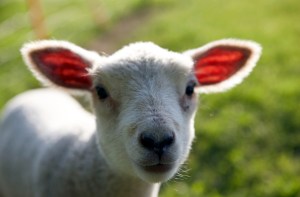 With Easter approaching, as Christians celebrate the finished work of Christ — His death, burial and resurrection — it may increase our joy to see His earthly ministry in light of the Jewish feasts. In this post, we begin to look at the Passover, which foreshadows Jesus’ substitutionary and sacrificial death. For a free download of the complete study of Jesus in the feasts of Israel, click here.
When John the Baptist declared, “Behold the Lamb of God, which taketh away the sin of the world” (John 1:29 KJV), every Jew knew John was referring to the Passover lamb. Jesus is called “a lamb” or “the lamb” 31 times in the New Testament, and Isaiah 53:7 refers to the Messiah as a lamb.
Every Christian can see Jesus in the Passover by observing the uniquely Messianic characteristics of the Passover lamb:
1. The selection of the lamb (Ex. 12:1-6; John 1:29; 2 Cor. 5:21; Heb. 4:15; Rev. 13:8).
2. The slaughter of the lamb (Ex. 12:7-10; Isa. 53:6; Heb. 1:3; 9:12-14; 1 Peter 1:2; Rev. 1:5).
3. The salvation of the lamb (Ex. 12:11-13, 23; John 1:29; 1 Cor. 15:26; Eph. 1:7; 2:1; 1 Peter 2:24-5).
LISTEN: Jesus in the Passover – Part 1 (mp3)
Jesus in the feasts of Israel

The feasts of Israel are religious celebrations remembering God’s great acts of salvation in the history of His people. The term “feasts” in Hebrew literally means “appointed times” and in Scripture the feasts often are called “holy convocations.” They are times God has appointed for holy purposes – times in which the Lord meets with men and women.
While there are many religious celebrations in Jewish history and custom, seven are most significant: Passover, Unleavened Bread, Firstfruits, Pentecost, Trumpets, Day of Atonement, and Tabernacles. God established the timing and sequence of these feasts to reveal to us a special story – most significantly, the work of the Messiah in the redemption of mankind and the establishment of His Kingdom on earth.
Continue reading

Jesus in the feasts of Israel
Download this free Bible study in PDF format.
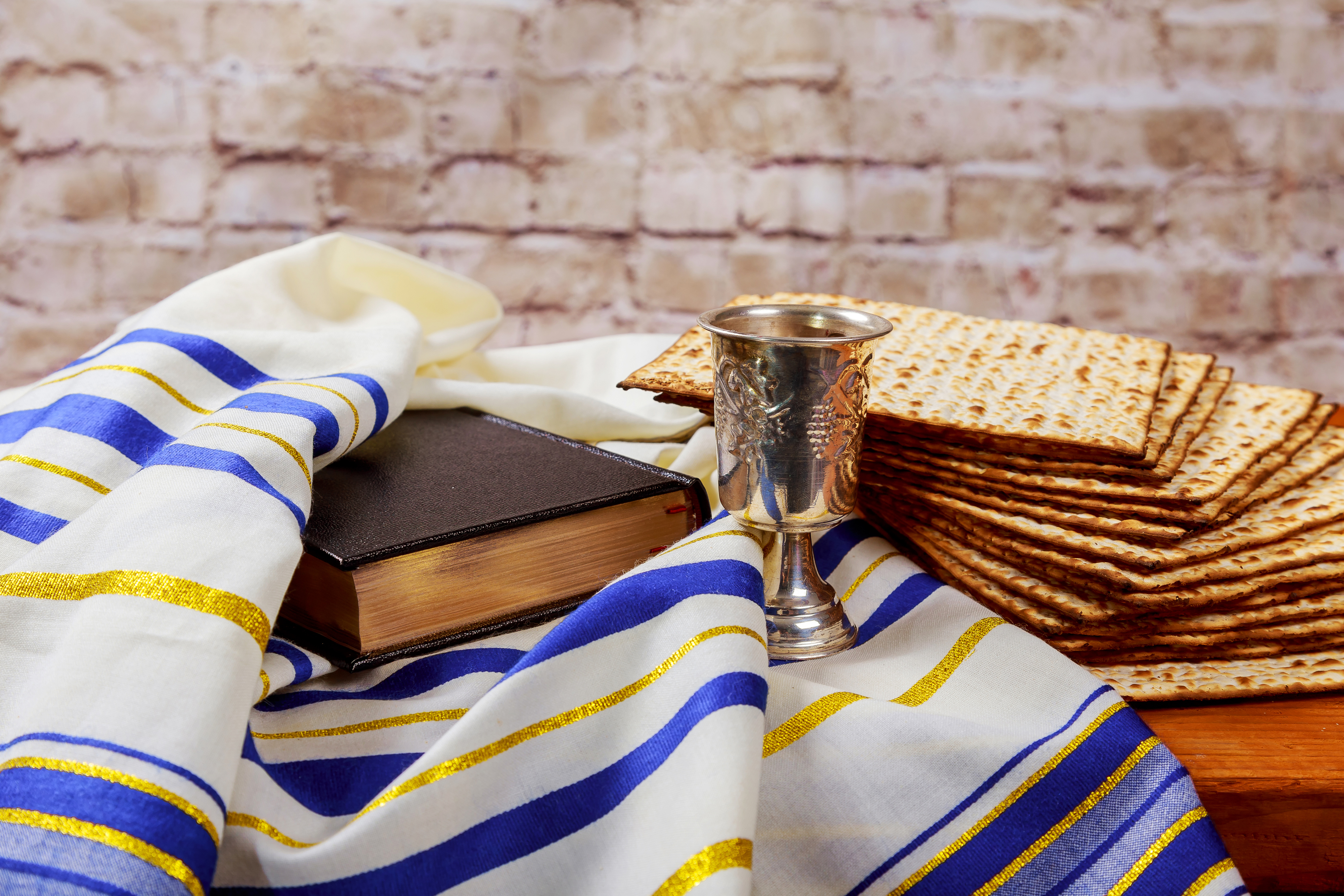 The feasts of Israel are religious celebrations remembering God’s great acts of salvation in the history of His people. The term “feasts” in Hebrew literally means “appointed times” and in Scripture the feasts often are called “holy convocations.” They are times God has appointed for holy purposes – times in which the Lord meets with men and women.
While there are many religious celebrations in Jewish history and custom, seven are most significant: Passover, Unleavened Bread, Firstfruits, Pentecost, Trumpets, Day of Atonement, and Tabernacles. God established the timing and sequence of these feasts to reveal to us a special story – most significantly, the work of the Messiah in the redemption of mankind and the establishment of His Kingdom on earth.
Continue reading
They were redeemed as the firstfruits – Revelation 14:4
Previously: They have kept their virginity – Revelation 14:4-5
The scripture
Rev. 14:4 – These are the ones not defiled with women, for they have kept their virginity. These are the ones who follow the Lamb wherever He goes. They were redeemed from the human race as the firstfruits for God and the Lamb. (HCSB)
They were redeemed … as the firstfruits
We should note that John refers to the 144,000 as people “redeemed from the human race as the firstfruits for God and the Lamb.” In what way are they firstfruits?
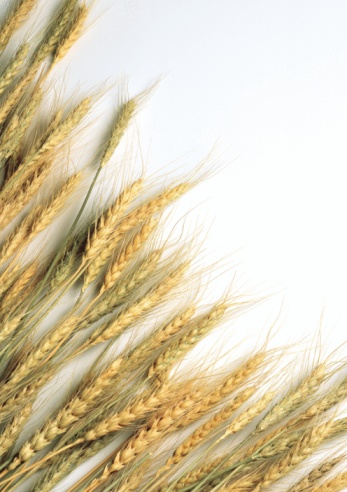 In the Old Testament, the first sheaf of ripe grain is to be offered to the Lord, and is waved before Him by the priest, expressing gratitude to God and acknowledging that He – the Owner and Giver of all things – will grant a bountiful harvest. A lamb also is sacrificed as a burnt offering (see Lev. 23:10-14). In addition, the Lord requires the first of the Israelites’ flocks, and even their first-born children, although a redemption price is accepted in their stead. All of this is designed to teach God’s people that He is their sovereign Lord who demands their first and best, yet who watches over them as a gracious landowner, husbandman and shepherd.
In this respect, the word “firstfruits” involves two ideas: 1) that which is first, the beginning, or that which has the priority of time; and 2) that which is part of the whole to follow, and which is the earnest or pledge of the whole. The first sheaf of ripe grain therefore is not only the first in order of time, but is the earnest or pledge of the entire harvest that surely will come in.
Consider the feast of firstfruits, one of seven major Jewish festivals. The first and best of the barley crop is offered to the Lord in thankfulness and in faith that He will grant the rest of the harvest to be bountifully reaped. More importantly, it is a shadow of the coming Messiah.
 OnceDelivered.net