Previously: The angel had a sharp sickle – Revelation 14:17-18
The scripture
Rev. 14:19 – So the angel swung his sickle toward earth and gathered the grapes from earth’s vineyard, and he threw them into the great winepress of God’s wrath. (HCSB)
The great winepress of God’s wrath
 Verse 19 reads, “So the angel swung his sickle toward earth and gathered the grapes from earth’s vineyard, and he threw them into the great winepress of God’s wrath.” A winepress, also known as a wine vat, is a rectangular cavity carved out of rock or built artificially. Ripe grapes are placed in the winepress and trampled underfoot, with the juice flowing down into a lower receptacle. Usually, a full winepress signifies prosperity, while an empty winepress signifies famine. In this metaphorical reference, however, the fullness of the winepress suggests rampant evil that is now being judged.
The word “winepress” appears 20 times in 20 verses in scripture (HCSB). When it is used metaphorically, it depicts either Israel or God’s judgment:
- Isa. 5:2 (Israel) – “He broke up the soil, cleared it of stones, and planted it with the finest vines. He built a tower in the middle of it and even dug out a winepress there. He expected it to yield good grapes, but it yielded worthless grapes.”
- Isa. 63:2-3 (judgment) – The Lord is asked, “Why are your clothes red, and your garments like the one who tread a winepress?” The Lord replies, “I trample the winepress alone, and no one from the nations was with Me. I trampled them in my anger and ground them underfoot in My fury; their blood spattered my garments, and all my clothes were stained.” This passage describes God as a warrior going to battle to defeat the forces of evil.
- Lam. 1:15 (judgment) – “The Lord has rejected all the mighty men within me. He has summoned an army against me to crush my young warriors. The Lord has trampled Virgin Daughter Judah [like grapes] in a winepress.”
- Joel 3:13 (judgment) – “Swing the sickle because the harvest is ripe. Come and trample the grapes because the winepress is full; the wine vats overflow because the wickedness of the nations is great.” This verse describes the Day of the Lord, in which Yahweh will utterly defeat His enemies.
- Matt. 21:33 / Mark 12:1 (Israel) – Jesus says, “Listen to another parable: There was a man, a landowner, who planted a vineyard, put a fence around it, dug a winepress in it, and built a watchtower. He leased it to tenant farmers and went away.”
- Rev. 14:19 (judgment) – “So the angel swung his sickle toward earth and gathered the grapes from earth’s vineyard, and he threw them into the great winepress of God’s wrath.”
- Rev. 19:15 (judgment) – “A sharp sword came from His mouth, so that He might strike the nations with it. He will shepherd them with an iron scepter. He will also trample the winepress of the fierce anger of God, the Almighty.”
Here, in Rev. 14:19, in the trampling of the winepress “lies the true climax of the image of the wine harvest: the liquid that flows from the (red) grapes symbolizes the blood of the enemies whom God has destroyed in his anger” (Roloff, p. 178).
Warren Wiersbe shares the following insight: “Scripture portrays three different ‘vines.’ Israel was God’s vine, planted in the land to bear fruit for God’s glory; but the nation failed God and had to be cut down (Ps. 80:8–16; Isa. 5:1–7; see also Matt. 21:33–46). Today, Christ is the Vine and believers are branches in Him (John 15). But the world system is also a vine, ‘the vine of the earth’ in contrast to Christ, the heavenly Vine; and it is ripening for judgment. The wicked system – Babylon – that intoxicates people and controls them, will one day be cut down and destroyed in ‘the winepress of the wrath of God’ (The Bible Exposition Commentary, Rev. 14:6).
Next: Blood flowed … for about 180 miles – Revelation 14:20


 When the militant forces of ISIS (the Islamic State of Iraq and Syria) recently occupied a large portion of the Middle East and declared the establishment of a new country under an Islamic caliph (leader), it became apparent to the outside world that much of the conflict involved Muslims fighting one another.
 Commentators generally agree that the city in question is Jerusalem. It is called “the great city” in Rev. 11:8, as well as “Sodom and Egypt, where also their Lord was crucified.” The reason the wicked are destroyed outside the city is that this is where accursed and unclean things are taken for disposal. For example, the Valley of Hinnom outside Jerusalem is where human sacrifices take place in Old Testament times. It is a burning trash dump in Jesus’ day. Even the carcasses of sacrificial animals, whose blood the high priest carries into the Holy of Holies on the Day of Atonement, are carried outside the city walls and burned.
 An elderly woman tosses aside her walker and sprints around a crowded auditorium amidst thunderous applause. Hundreds of congregants gasp as a faith healer lengthens a man’s shortened leg in the name of Jesus. Throngs of worshipers fall backward, seemingly lifeless, as an evangelist breathes the Holy Spirit on them.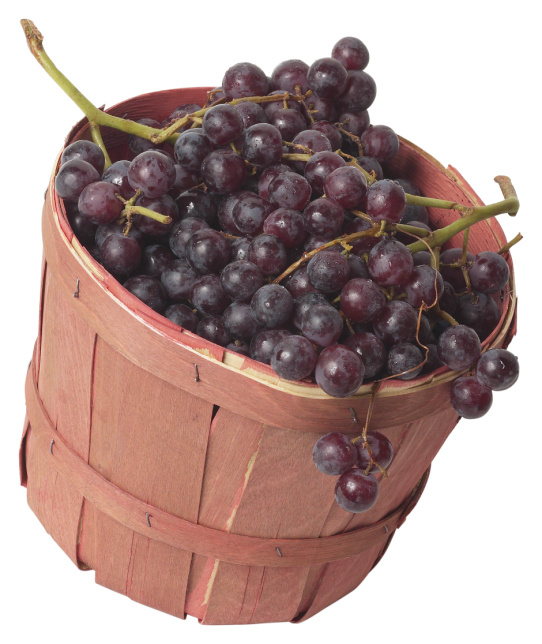

 The Qur’an is Islam’s most holy book. While Muslims believe Allah has revealed many written works, including the Old and New Testaments, these revelations ended with the Qur’an, which supersedes all others.
 OnceDelivered.net