What Islam and Mormonism have in common

Satan is clever but not original.

He cannot create, procreate, raise the dead, or inspire Scripture. But he can take things God created for good and twist them for his evil purposes.

He is especially proficient in false religions, from Algard Wicca to Zoroastrianism. While the world’s wayward faiths are diverse, the evil one’s fingerprints are on all of them.

To illustrate, let’s look at similar patterns in two very different belief systems: Islam and Mormonism.

It would seem these religious organizations have little in common. Their doctrines and rituals are distinctly different. Yet their claims to truth bear remarkable similarities. Consider six such parallels.
Continue reading

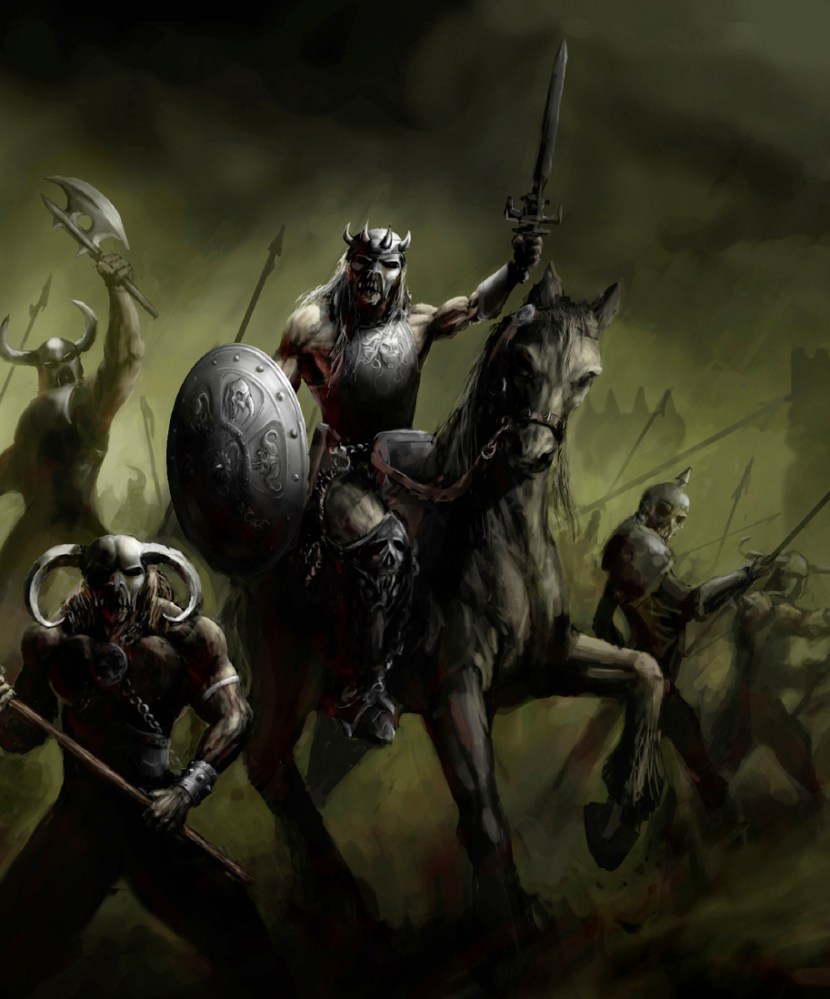
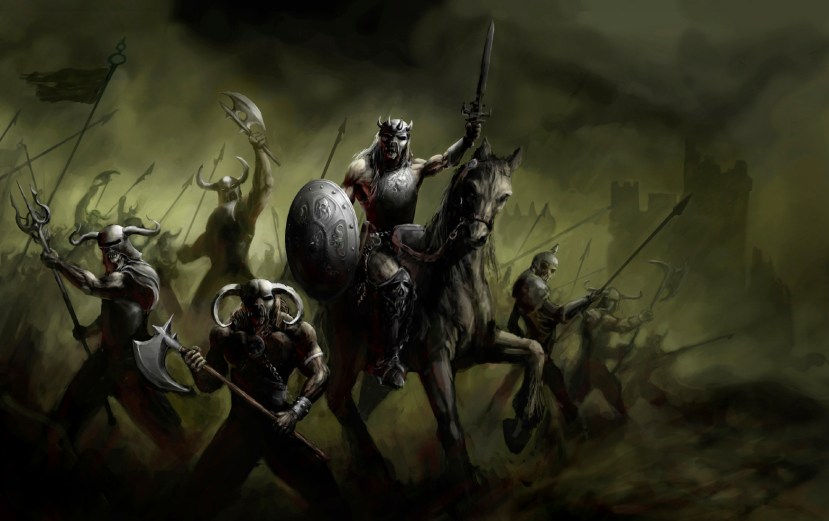
The beast and his armies defeated – Revelation 19:17-21

Previously: The rider on a white horse – Revelation 19:11-16

The scripture

Rev. 19:17 – Then I saw an angel standing in the sun, and he cried out in a loud voice, saying to all the birds flying in mid-heaven, “Come, gather together for the great supper of God, 18 so that you may eat the flesh of kings, the flesh of commanders, the flesh of mighty men, the flesh of horses and of their riders, and the flesh of everyone, both free and slave, small and great.”

   19 Then I saw the beast, the kings of the earth, and their armies gathered together to wage war against the rider on the horse and against His army. 20 But the beast was taken prisoner, and along with him the false prophet, who had performed signs on his authority, by which he deceived those who accepted the mark of the beast and those who worshiped his image. Both of them were thrown alive into the lake of fire that burns with sulfur. 21 The rest were killed with the sword that came from the mouth of the rider on the horse, and all the birds were filled with their flesh. (HCSB)

The beast and his armies defeated

Next, John sees an angel standing on – or some translations say in – the sun. He cries out in a loud voice to the birds, “Come, gather together for the great supper of God, so that you may eat the flesh of kings, the flesh of commanders, the flesh of mighty men, the flesh of horses and of their riders, and the flesh of everyone, both free and slave, small and great” (vv. 17-18).

We should note a stark contrast between this supper, in which the fowls of the air are summoned to feast on the corpses of the wicked (and their horses), and the marriage supper of the Lamb, in which believers enjoy intimate fellowship with the Bridegroom. As in Jesus’ parable of the wedding feast for the king’s son, those who are not dressed appropriately for a marriage feast are cast into outer darkness, while those who respond positively to the king’s invitation, and willingly wear the white linen robes the king provides for all guests, enjoy the comforts of the royal court (see Matt. 22:1-14).
Continue reading

Common threads in world religions

The false idea that all religions are essentially the same is as old as, well, religion itself. But advances in communications over the centuries – from the printing press to social media – keep giving syncretism a fresh set of legs.

For example, 18th century poet William Blake wrote the seminal book All Religions Are One.

A century later Mohandas Gandhi declared, “Belief in one God is the cornerstone of all religions.”

These days, the Dalai Lama affirms, “The essential message of all religions is very much the same.”

The “all religions are one” mantra reverberates throughout today’s culture, at least in part because it serves as an antidote to the vitriol with which so many religious zealots defend their faith.

Even so, it isn’t true.
Continue reading

OnceDelivered.net – 2015 in review

Thanks for visiting OnceDelivered.net in 2015. Here is a brief report on the blog’s activities, which include 110,000 visits from readers in more than 200 countries. Please join me in praying that the Lord uses this ministry in 2016 to encourage Christians to “earnestly contend for the faith” (Jude 3), while engaging our non-Christian friends with the gospel with gentleness and respect (1 Peter 3:15-16).

Here’s an excerpt:

The Louvre Museum has 8.5 million visitors per year. This blog was viewed about 110,000 times in 2015. If it were an exhibit at the Louvre Museum, it would take about 5 days for that many people to see it.

Click here to see the complete report.

The rider on a white horse – Revelation 19:11-16

Previously: I fell at his feet to worship – Revelation 19:10

The scripture

 Rev. 19:11 – Then I saw heaven opened, and there was a white horse! Its rider is called Faithful and True, and in righteousness He judges and makes war. 12 His eyes were like a fiery flame, and on His head were many crowns. He had a name written that no one knows except Himself. 13 He wore a robe stained with blood, and His name is called the Word of God. 14 The armies that were in heaven followed Him on white horses, wearing pure white linen. 15 From His mouth came a sharp sword, so that with it He might strike the nations. He will shepherd them with an iron scepter. He will also trample the winepress of the fierce anger of God, the Almighty. 16 And on his robe and on His thigh He has a name written: KING OF KINGS AND LORD OF LORDS. (HCSB)

Then I saw heaven opened

For a second time in Revelation, John sees both heaven opened and a white horse. But the visions are not the same. In Rev. 4:1, after obeying the command to write to seven churches in Asia Minor, John sees an open door in heaven and is invited to “Come up here” where he is shown what must take place after this. Now, in Rev. 19:11, he sees heaven opened once again and views the climax of these events. In a similar fashion, John has seen a rider on a white horse in Rev. 6:2, and he sees a rider again now. But they are very different riders.

While some commentators argue that the riders in both passages depict Jesus, the differences between the riders indicate otherwise. In fact, the only similarity is that both characters are riding white horses. It’s more likely that the rider in Rev. 6:2 symbolizes the quest of Rome’s neighbors, particularly the Parthians, to expand their empires, leading to war (red horse), famine (black horse), and epidemic disease (pale horse). Or, as futurists contend, the rider depicts the Antichrist of the end times.
Continue reading