
Category: Columns
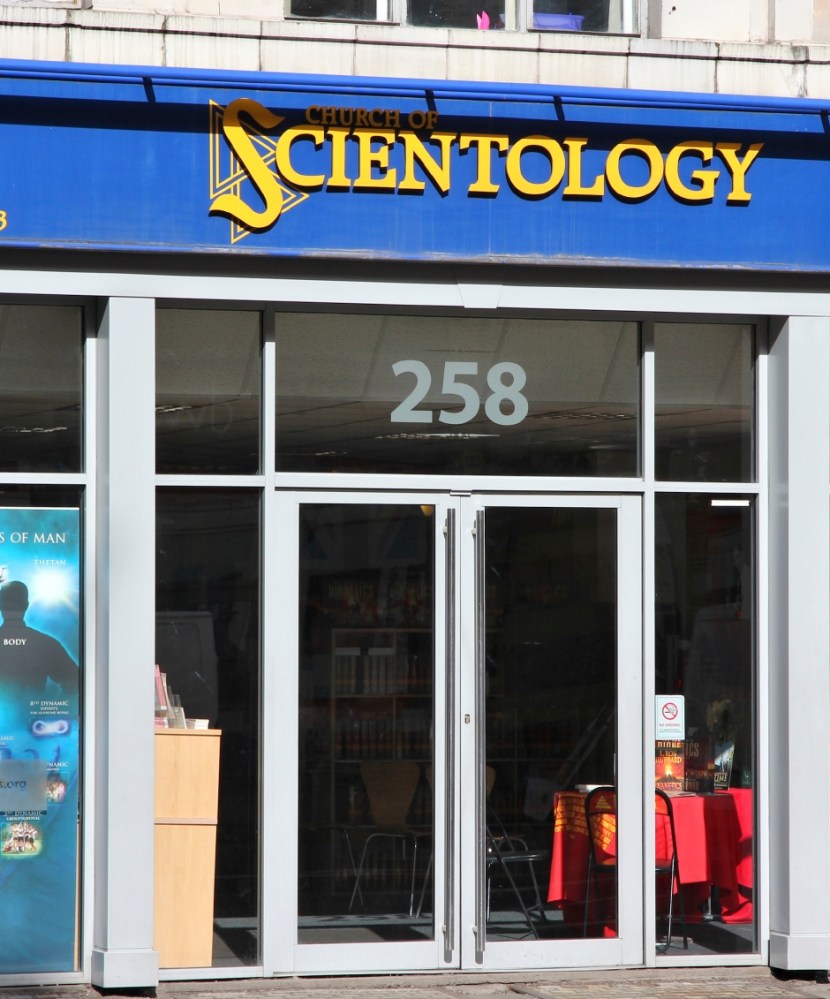
What do Scientologists believe?
This is the last in a two-part series on Scientology.
Read Part 1: What is Scientology?
 Some of Hollywood’s brightest stars are dedicated followers of the religion L. Ron Hubbard founded more than 60 years ago: Scientology.
What do Tom Cruise, John Travolta and other Scientologists believe? Below is a brief comparison of key biblical teachings and the beliefs of the Church of Scientology.
Note: The Baptist Faith and Message features a fuller treatment of Christian doctrines and includes Scripture references.
What the Bible says about God:
There is one true and living God, who exists as three distinct, co-equal, co-eternal persons: Father, Son, and Holy Spirit.
What Scientology says about God:
Hubbard rejected the Christian understanding of God, particularly the Trinity. Scientology expresses the concept of God in vague terms such as the Eighth Dynamic or Supreme Being. According to Scientology.org, “Unlike religions with Judeo-Christian origins, the Church of Scientology has no set dogma concerning God that it imposes on its members,” meaning they are free to interpret God in whatever way they wish.
Continue reading
What is Scientology?
This is the first in a two-part series on the Church of Scientology.
A recent HBO documentary on the Church of Scientology has brought the religion L. Ron Hubbard founded 61 years ago back into the headlines. “Going Clear: Scientology and the Prison of Belief” profiles eight former Scientologists and is based on a book by Pulitzer Prize winner Lawrence Wright.
The film highlights the church’s origins and traces its meteoric rise in popularity, largely through the embrace of A-list Hollywood celebrities. It also shines a light on how the church cultivates true believers, detailing their experiences and what they are willing to do in the name of religion.
But what, exactly, is Scientology? This column provides a brief overview of the Church of Scientology. The next column compares the beliefs of Scientology with the biblical doctrines of Christianity.

Seven words that reveal Islam’s worldview
 Sharing our faith with Muslims requires Christians to know at least something about the religion Muhammad established 14 centuries ago.
Particularly enlightening are seven words that expose Islam’s view of the non-Muslim world and help us understand why Muhammad and his followers have consistently treated Christians with disdain.
Kafir. A kafir is “one who covers or conceals the known truth; an unbeliever.” In other words, a kafir is any non-Muslim.
Since kafirs reside outside the “world of Islam” and thus are in the “world of war,” they may be deceived, lied to, plotted against, enslaved, subjugated, mocked, tortured, driven from their homes, or killed.
Was St. Peter the first pope?
This is the last in a four-part series on Roman Catholicism.
Read part one: Who are Roman Catholics?
Read part two: What do Roman Catholics believe?
Read part three: What do Roman Catholics believe (continued)
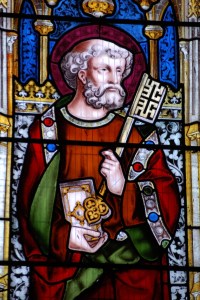 After Simon Peter makes his famous declaration that Jesus is “the Messiah, the Son of the living God,” Jesus tells the apostle, “you are Peter, and on this rock I will build My church, and the forces of Hades will not overpower it” (Matt. 16:16, 18).
Jesus further states, “I will give you the keys of the kingdom of heaven, and whatever you bind on earth is already bound in heaven, and whatever you loose on earth is already loosed in heaven” (v. 19).
Is Jesus declaring Peter the first pope and thus establishing apostolic succession? The Roman Catholic Church says yes, as the Catechism of the Catholic Church makes clear:
“The Lord made Simon alone, whom he named Peter, the ‘rock’ of His Church. He gave him the keys of his Church and instituted him the shepherd of the whole flock…. This pastoral office of Peter and the other apostles belongs to the Church’s very foundation and is continued by the bishops under the primacy of the Pope….
“For the Roman Pontiff, by reason of his office as Vicar of Christ, and as pastor of the entire Church has full, supreme, and universal power over the whole Church, a power which he can always exercise unhindered.”
Of course, not everyone agrees.
Continue reading

What do Roman Catholics believe? (continued)
This is the third in a four-part series on Roman Catholicism.
Read part one: Who are Roman Catholics?
Read part two: What do Roman Catholics believe?
 Roman Catholics embrace at least seven doctrines that evangelical Christians reject as inconsistent with the Word of God. In the previous article, we explored five of these doctrines. This column examines two more.
Sacramentalism
The Bible reveals that salvation is a gift of God received by faith in Jesus Christ. The Christian partakes of baptism and the Lord’s Supper as acts of obedience, or ordinances, which have no saving value.
Roman Catholics, however, teach seven sacraments that are essential to an individual’s eternal destiny. Sacraments in Catholic theology do not merely symbolize grace; they are said to be containers of grace, which participants receive as they partake.
The Catechism of the Catholic Church states plainly: “The Church affirms that for believers the sacraments of the New Covenant are necessary for salvation.”
 OnceDelivered.net