
Features of New Jerusalem: Part 3
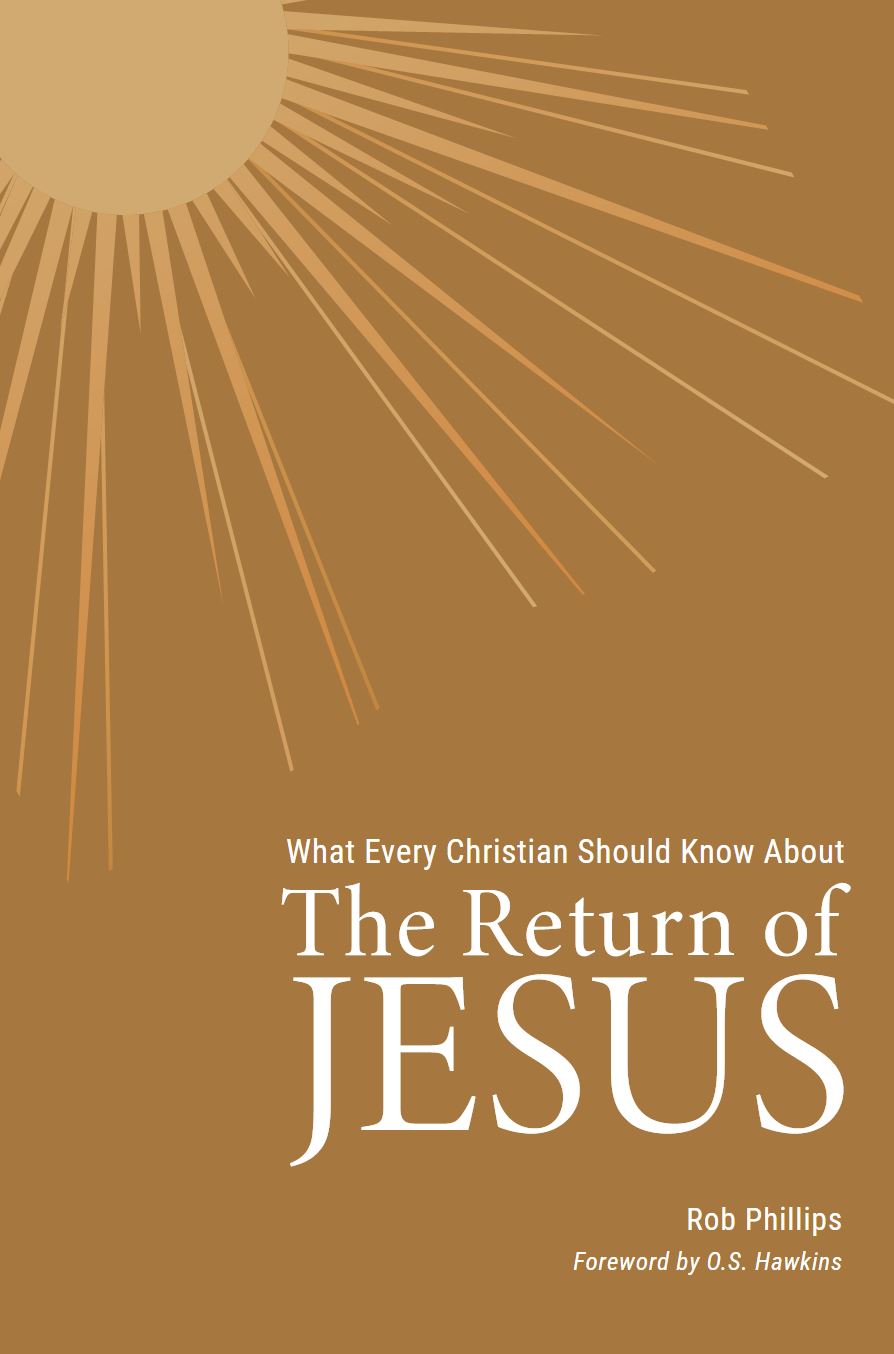
This is another in a series of excerpts from What Every Christian Should Know About the Return of Jesus, released by High Street Press and available at Amazon.
In the previous posts (Part 1; Part 2), we explored some key features of New Jerusalem. We continue this study now.
New Jerusalem lacks a temple, stellar lights, a closing time, and anything unclean (Rev. 21:22-27).
After a detailed description of New Jerusalem’s exterior, John turns his attention inside the city walls. He notes first of all the absence of a temple “because the Lord God the Almighty and the Lamb are its temple” (v. 22).
Historical Jerusalem is known as the city of God because his presence resides there in the temple (1 Kings 8:10-13). The people of God approach him through a mediator, a high priest who offers atoning sacrifices for the peoples’ sins in the holy of holies on the Day of Atonement.
The atoning blood is carried through a thick veil and sprinkled on the mercy seat, above which the Shekinahglory blazes. There, the wrath of God is satisfied and his mercy is extended to sinful creatures. All of this activity inside the cube-shaped holy of holies bears forward-looking significance. The day is coming when God himself provides a sacrifice – the Lamb of God who takes away the sin of the world (John 1:29).
When Jesus dies on the cross, the veil of the temple tears in two, from top to bottom, signifying that Jesus has fulfilled the types and shadows of the Old Covenant and now makes way for the New Covenant in his blood. The redeemed now have direct access to the throne of God without the need for a human mediator. John captures the richness of this imagery as he gazes inside New Jerusalem. The Father and the Lamb are the temple.
The apostle further observes that the city does not need the sun or moon to shine on it “because the glory of God illuminates it, and its lamp is the Lamb” (Rev. 21:23). The light of God is distinct and divine, without earthly origins or natural explanation. We catch a glimpse at times: in the burning bush (Exod. 3), the pillar of cloud and fire (Exod. 13:21-22), the blazing heavenly chariot-throne (Ezek. 1:26-28), on the mount of transfiguration and the road to Damascus (Matt. 17:1-9; Acts 9:1-9), and in the fiery eyes of the glorified Christ (Rev. 1:14).
As Joseph Seiss observes, the glory of God’s brightness envelopes New Jerusalem:
… like an unclouded halo, permeates it, and radiates through it and from it so that there is not a dark or obscure place about it…. It is the uncreated light of Him who is light, dispensed by and through the Lamb as the everlasting Lamp, to the home, and hearts, and understandings, of his glorified saints.
There’s no closing time in New Jerusalem. No curfew. No curtain call. The city’s massive gates never close because daylight is continuous and darkness is dispelled. The kings of the nations walk the streets, bathed in divine light and leading their people to pay homage to the King of kings.
There remain national and ethnic distinctions in the new heavens and earth as a tribute to the one who redeemed people out of every tribe, language, people, and nation (Rev. 5:9). Their kings seek no personal gain nor political leverage. At the same time, the nations do not hunger for expanded boundaries or elite status. Instead, they are fully devoted to the one who calls them fellow heirs of the unfolding new creation.
While New Jerusalem is the capital city of the new heavens and earth, it is not the only city on the restored planet. The fact that nations and kings come and go demonstrates this fact. We should not presume to exclude those dwelling outside the city as lesser citizens of New Jerusalem. Perhaps the rewards Christ has granted them in judgment include ruling over cities and nations in other parts of the new world (see Luke 19:11-27). In any case, the city’s gates are always open to them.
Nothing unclean
But the open gates don’t beckon everyone. “Nothing unclean will enter it,” John writes, “nor anyone who does what is detestable or false, but only those written in the Lamb’s book of life” (Rev. 21:27). The people of God – joined under the Old and New Covenants – are safe in the presence of the Father and the Lamb. Those who have rejected the gracious revelation of God in creation, conscience, the canon of Scripture, and Christ have found themselves before a great white throne without excuse (Rom. 1:20; Rev. 20:11-15).
The lost have made it clear they do not want a relationship with their creator; instead, they prefer to live now and forevermore independently of God. They have crossed a line and passed a point of no return known only to God but hinted at in the Scriptures as their limit of sins (see 1 Thess. 2:16). And now, because they have refused the gracious invitation to have their names written in the Lamb’s book of life, they find themselves in outer darkness.
Like the rich man Jesus describes in Luke 16:19-31, they see a “great chasm” between themselves and those resting comfortably at Abraham’s side. And like the insolent guest at the wedding banquet in Jesus’ parable in Matthew 22:1-14, they find themselves bound, taken from the king’s presence, and cast into the darkness of never-ending night.
The gates of New Jerusalem are open, and it is daylight there forever. But unbelievers remain separated in outer darkness. Like the bound and bounced guest in Jesus’ parable of the wedding banquet, perhaps they see the light from a distance, which makes their darkness more intense. Perhaps they hear the music of heaven’s choir but are forbidden from singing along. Perhaps they smell the aroma of heaven’s banquet table but can never taste its delicacies. The nearness yet inaccessibility of New Jerusalem twists the gut and makes the consequences of divine rejection a perpetual nightmare.
Next: Features of New Jerusalem: Part 4

