
Tagged: Baptist Faith & Message

Article IV-B of The Baptist Faith & Message 2000: Justification

Following is another in a series of columns on The Baptist Faith & Message 2000.
In justification, God declares us righteous. In sanctification and glorification, God makes us so.
Article IV-B of The Baptist Faith & Message 2000 reads:
“Justification is God’s gracious and full acquittal upon principles of His righteousness of all sinners who repent and believe in Christ. Justification brings the believer into a relationship of peace and favor with God.”
In justification, God declares us righteous. In sanctification and glorification, which we explore in future columns, God makes us so. These interlocking works of God ensure that, one day, we are fully conformed to the image of Christ.
The Greek noun dikaiosis, or justification, describes the act of God declaring sinners righteous on the basis of the finished work of Christ. Believing sinners are acquitted – freed of all guilt – as their sins are transferred to the account of Christ and exchanged for Christ’s righteousness.
Theologians often refer to justification as forensic, which means “having to do with legal proceedings.” This legal declaration does not change our internal character. A judge does not make defendants guilty or innocent; he simply declares them to be one or the other.
Regeneration, indwelling, and sanctification are ways God works salvation in us, making us spiritually alive, taking up permanent residence in our spirits, and conforming us to the image of Christ. But justification occurs outside of us. Put another way, the location of justification is heaven, where God declares believing sinners in right standing before Him.
Continue reading →
Article IV-A of The Baptist Faith & Message 2000: Regeneration

Following is another in a series of posts on the Baptist Faith & Message 2000.
Regeneration is the work of the Holy Spirit that brings a sinner from spiritual death into spiritual life.
Article IV-A of The Baptist Faith & Message 2000 reads:
“Regeneration, or the new birth, is a work of God’s grace whereby believers become new creatures in Christ Jesus. It is a change of heart wrought by the Holy Spirit through conviction of sin, to which the sinner responds in repentance toward God and faith in the Lord Jesus Christ. Repentance and faith are inseparable experiences of grace.
“Repentance is a genuine turning from sin toward God. Faith is the acceptance of Jesus Christ and commitment of the entire personality to Him and Lord and Saviour.”
Regeneration is the work of the Holy Spirit that brings a sinner from spiritual death into spiritual life. While Christians may disagree about such issues as the relationship between regeneration and baptism, or whether regeneration precedes faith, it is biblically faithful for a follower of Jesus to say, “I am regenerated.”
While the Greek noun palingenesia appears only twice in the New Testament (Matt. 19:28; Tit. 3:5), the concept of regeneration, or new birth, is a consistent theme of Jesus and the New Testament writers. Jesus makes it clear that people must be “born again,” or “born of the Spirit,” if they are to see the kingdom of heaven (John 3:3, 5).
The work of the Holy Spirit, making an individual a “new creation” (2 Cor. 5:17; Gal. 6:15), prepares that person for the future work of Christ as he creates “new heavens and a new earth” (2 Pet. 3:13). All those the Spirit regenerates are assured a place with Christ when he refurbishes the cosmos, purging it completely of sin and its stain.
Continue reading →
ARTICLE II of The Baptist Faith & Message 2000: God
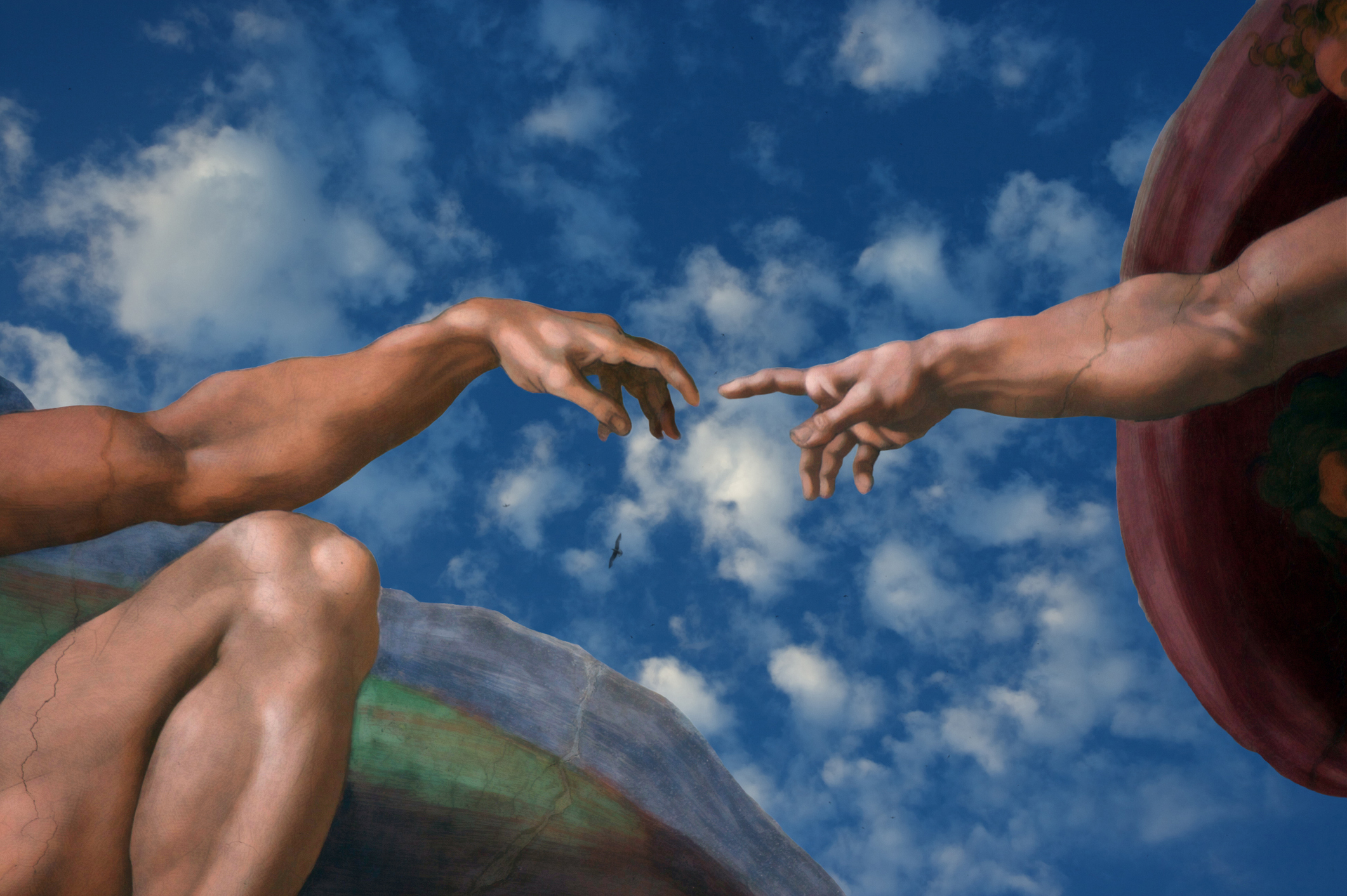
There is one living and true God who reveals himself to us in three persons: Father, Son, and Holy Spirit, with distinct personal attributes, but without division of nature, essence, or being.
The first paragraph of Article II of The Baptist Faith & Message 2000 reads:
There is one and only one living and true God. He is an intelligent, spiritual, and personal Being, the Creator, Redeemer, Preserver, and Ruler of the universe. God is infinite in holiness and all other perfections. God is all powerful and all knowing; and His perfect knowledge extends to all things, past, present, and future, including the future decisions of His free creatures. To Him we owe the highest love, reverence, and obedience. The eternal triune God reveals Himself to us as Father, Son, and Holy Spirit, with distinct personal attributes, but without division of nature, essence, or being.
One living and true God
The Bible consistently declares there is one living and true God, the self-revealed creator who alone must be loved and worshiped. All other gods are false. The physical depictions of these gods, as carved images or naturally occurring phenomena such as stars and trees, in fact represent demons (see Deut. 32:16-17; 1 Cor. 10:19-20).
Perhaps nowhere is the exclusivity of God stated more clearly than in the Shema, an affirmation of Judaism and a declaration of faith in one God. It is the oldest fixed daily prayer in Judaism, recited morning and evening since ancient times. It consists of three biblical passages (Deut. 6:4-9; 11:13-21; Num. 15:37-41), two of which instruct the Israelites to speak of these things “when you lie down and when you get up” (Deut. 6:7; 11:19).
The best-known part of the Shema is from the first biblical passage: “Listen, Israel: The LORD our God, the LORD is one. Love the LORD your God with all your heart, with all your soul, and with all your strength” (Deut. 6:4-5).
The prophet Isaiah echoes this cry as he calls the Israelites to return to the Lord. Isaiah 44:6 – 45:25 is a powerful reminder from Yahweh that he alone is God. Consider just a small portion of this passage:
Continue reading →“This is what the LORD, the King of Israel and its Redeemer, the LORD of Armies, says: I am the first and I am the last. There is no God but me” (44:6).
“I am the LORD, and there is no other; there is no God but me” (45:5).

ARTICLE I of The Baptist Faith & Message 2000: The Scriptures
The Bible is God’s revelation of himself to man and is a perfect treasure of divine instruction.
Article I of The Baptist Faith & Message 2000 reads:
The Holy Bible was written by men divinely inspired and is God’s revelation of Himself to man. It is a perfect treasure of divine instruction. It has God for its author, salvation for its end, and truth, without any mixture of error, for its matter. Therefore, all Scripture is totally true and trustworthy. It reveals the principles by which God judges us, and therefore is, and will remain to the end of the world, the true center of Christian union, and the supreme standard by which all human conduct, creeds, and religious opinions should be tried. All Scripture is a testimony to Christ, who is Himself the focus of divine revelation.
Four key truths
We know the Bible as the word of God. That means God is the source of Scripture, revealing truths we are incapable of knowing without divine help. The Bible is special revelation in that it is a record of God’s work before time, in time, and beyond time, with a particular emphasis on creation, sin, redemption, and restoration.
As such, Scripture complements God’s general revelation, which all people witness in creation and conscience (Rom. 1:18-32; 2:14-16).
Let’s break down Article I of the BF&M by briefly exploring four key truths Southern Baptists embrace with respect to the Scriptures.
First, the Bible is inspired. The apostle Paul writes, “All Scripture is inspired by God” (2 Tim. 3:16). The phrase “inspired by God” comes from the Greek word theopneustos. It means “God-breathed” and conveys the idea that Scripture is the product of a holy exhalation.
God did not breathe into the Scriptures, thus inspiring them; he breathed out his word. The Bible’s origin is God himself.
Theologian Charles Ryrie defines inspiration this way: “God superintended the human authors of the Bible so that they composed and recorded without error His message to mankind in the words of their original writings.”
By superintendence, we do not mean that God dictated his word to human stenographers, as Muhammad claimed of the Qur’an (via the angel Gabriel). Rather, God breathed out his word, enabling the human authors to use their own writing styles, backgrounds, experiences, and ideas to put in written form the very thoughts of God, thus ensuring their accuracy.
Continue reading →
What Is The Baptist Faith & Message?
During the 2021 Annual Meeting of Missouri Baptists in Branson, Missouri, messengers adopted a resolution encouraging all Missouri Baptist pastors “to consistently provide instruction to their congregations on the content of the Baptist Faith and Message 2000.”

The resolution cited general unfamiliarity with The Baptist Faith & Message (BF&M). It also said agreement on the gospel and the core doctrines of our faith is essential both for unity and effective Great Commission work. Finally, the resolution noted that the BF&M 2000 is “the accepted guiding statement of faith for the Southern Baptist Convention.”
The missionary staff of the Missouri Baptist Convention offers the following study in support of this resolution. At the same time, we believe the confessional statements in the BF&M are vital, not only to Missouri Baptists, but to all Southern Baptists and our cooperative work of obeying the Great Commission. Our goal is to help pastors and other church leaders equip their members to understand the biblical truths that unite us as Southern Baptists. This is the first in a series of columns exploring the BF&M.
Continue reading → OnceDelivered.net