
Tagged: Baptist Faith & Message 2000

Article XIII of The Baptist Faith & Message 2000: Stewardship

Following is another in a series of columns on The Baptist Faith & Message 2000.
The very idea of stewardship may be traced to the garden of Eden, where God commands Adam and Eve, “Be fruitful, multiply, fill the earth, and subdue it” (Gen. 1:28).
Article XIII of The Baptist Faith & Message 2000 reads:
“God is the source of all blessings, temporal and spiritual; all that we have and are we owe to Him. Christians have a spiritual debtorship to the whole world, a holy trusteeship in the gospel, and a binding stewardship in their possessions. They are therefore under obligation to serve Him with their time, talents, and material possessions; and should recognize all these as entrusted to them to use for the glory of God and for helping others. According to the Scriptures, Christians should contribute of their means cheerfully, regularly, systematically, proportionately, and liberally for the advancement of the Redeemer’s cause on earth.”
Stewardship is not ownership. Good stewards faithfully manage what belongs to someone else and readily understand they are accountable to the owner.
The Bible makes this clear. A steward is responsible for something that belongs to another (Gen. 43:19; 44:4; Matt. 20:8). Often, stewards are servants placed over other servants, as well as over their owners’ property (Luke 16:1).
Regarding spiritual matters, the apostle Paul refers to himself, Apollos, and Peter as “servants of Christ and managers of the mysteries of God” (1 Cor. 4:1-2). Pastors are overseers of “God’s household” (Tit. 1:7). And in a broader sense, all Christians are to be “good stewards of the varied grace of God” (1 Pet. 4:10).
The very idea of stewardship may be traced to the garden of Eden, where God commands Adam and Eve, “Be fruitful, multiply, fill the earth, and subdue it” (Gen. 1:28). Although the first humans rebel and plunge creation beneath the curse of sin, God continues to entrust mankind with stewardship of the earth. All of this is grounded in the truth that God owns everything and that human beings will give an account for our use and protection of all he has delegated to us.
Christians bear an even greater privilege in stewardship, for we are citizens of God’s kingdom and trustees of the gospel. We are “bought at a price.” Therefore, we belong to Christ, and everything we have – including our bodies – is at his disposal (1 Cor. 6:19-20).
Continue reading →
Article XII of The Baptist Faith & Message 2000: Education

Following is another in a series of columns on The Baptist Faith & Message 2000.
It’s good for us to study the arts and sciences, because in them we see the beauty, magnitude, divine wisdom, and glory of the creator.
Article XII of The Baptist Faith & Message 2000 reads:
“Christianity is the faith of enlightenment and intelligence. In Jesus Christ abide all the treasures of wisdom and knowledge. All sound learning is, therefore, a part of our Christian heritage. The new birth opens all human faculties and creates a thirst for knowledge. Moreover, the cause of education in the Kingdom of Christ is co-ordinate with the causes of missions and general benevolence, and should receive along with these the liberal support of the churches. An adequate system of Christian education is necessary to a complete spiritual program for Christ’s people.
“In Christian education there should be a proper balance between academic freedom and academic responsibility. Freedom in any orderly relationship of human life is always limited and never absolute. The freedom of a teacher in a Christian school, college, or seminary is limited by the pre-eminence of Jesus Christ, by the authoritative nature of the Scriptures, and by the distinct purpose for which the school exists.”
God’s word instructs us to pursue knowledge and wisdom. And since all truth is God’s truth, education must be grounded in what God has revealed to us. We are to embrace truth, teach it to our children, model it in our lives, proclaim it in our churches, and share it with the world.
God has revealed himself to us in at least four significant ways. First he has revealed himself in creation. “The heavens declare the glory of God,” writes the psalmist, “and the expanse proclaims the work of his hands,” (Ps. 19:1).
The apostle Paul adds that the unbelieving world stands condemned for rejecting God’s self-revelation in the physical realm: “For his invisible attributes, that is, his eternal power and divine nature, have been clearly seen since the creation of the world, being understood through what he has made. As a result, people are without excuse” (Rom. 1:20).
It is good for us to study the arts and sciences because in them we see the beauty, magnitude, divine wisdom, and glory of the creator. Christians, above all, should promote and pursue the revealed truths of God accessible through telescopes and under microscopes.
Second, God has revealed himself in conscience. Paul writes that unbelieving Gentiles “show that the work of the law is written on their hearts. Their consciences confirm this. Their competing thoughts either accuse or even excuse them on the day when God judges what people have kept secret” (Rom. 2:15-16).
In other words, moral absolutes are gifts of God, designed to point people to the divine lawgiver.
Continue reading →
Article XI of The Baptist Faith & Message 2000: Evangelism and missions

Following is another in a series of columns on The Baptist Faith & Message 2000.
“Those who have received the gospel are to share it. This obligation God placed upon redeemed men, not upon angels. If men do not tell the story, it will not be told.”
– Herschel Hobbs
Article XI of The Baptist Faith & Message 2000 reads:
“It is the duty and privilege of every follower of Christ and of every church of the Lord Jesus Christ to endeavor to make disciples of all nations. The new birth of man’s spirit by God’s Holy Spirit means the birth of love for others. Missionary effort on the part of all rests thus upon a spiritual necessity of the regenerate life, and is expressly and repeatedly commanded in the teachings of Christ. The Lord Jesus Christ has commanded the preaching of the gospel to all nations. It is the duty of every child of God to seek constantly to win the lost to Christ by verbal witness undergirded by a Christian lifestyle, and by other methods in harmony with the gospel of Christ.”
Evangelism and missions are the duties and privileges of every Christian in obedience to the command of Jesus to make disciples of all nations (Matt. 28:18-20). They are grounded in the authority of Jesus, and they find their source in the heart of God, who loves all people and desires them to repent and believe the good news (John 3:16; 2 Pet. 3:9).
Simply stated, evangelism is sharing the gospel with the goal of leading others to repentance and faith in Jesus. The word evangelism comes from the Greek noun euaggelion (a good message) and the verb euaggelizo (to announce, declare, or preach this good news).
Notice that the Greek word for angel – aggelos – is tucked inside. An angel in Scripture is a messenger, sometimes heaven-sent and sometimes human. As Jessica Brodie writes, “Those who practice evangelism are indeed delivering a message: One of extraordinarily good news, life-giving and transformative, with eternal ramifications.”
In Matthew 28:1-7, the Lord sends an angel to roll away the stone from Jesus’ tomb – not so Jesus may get out, but so the first eyewitnesses of his resurrection may see the empty grave. The angel tells the women, “Don’t be afraid, because I know you are looking for Jesus who was crucified. He is not here. For he has risen, just as he said. Come and see the place where he lay. Then go quickly and tell his disciples, ‘He has risen from the dead and indeed he is going ahead of you to Galilee; you will see him there .…’” (vv. 5-7).
These are the last recorded words of the angel on that day. He has fulfilled his mission. From that time forward, redeemed people bear the responsibility to proclaim the good news.
Continue reading →
Article X of The Baptist Faith & Message 2000: Last things

Following is another in a series of columns on The Baptist Faith & Message 2000.
The world as we know it ends with the return of Jesus, but it’s not really the end of the world, for Christ creates new heavens and a new earth.
Article X of The Baptist Faith & Message 2000 reads:
“God, in His own time and in His own way, will bring the world to its appropriate end. According to His promise, Jesus Christ will return personally and visibly in glory to the earth; the dead will be raised; and Christ will judge all men in righteousness. The unrighteous will be consigned to Hell, the place of everlasting punishment. The righteous in their resurrected and glorified bodies will receive their reward and will dwell forever in Heaven with the Lord.”
Contemporary culture embraces the drama of a cataclysmic end of the world as we know it. In the 1979 film, Mad Max, a shortage of fossil fuels drives the breakdown of society, prompting leather-clad hoodlums in bizarre vehicles to terrorize anyone with a full tank of gas.
In Planet of the Apes, astronaut George Tayler discovers he has traveled through space and time, returning to an earth where humans are mute and loud-mouthed armor-wearing primates are in charge.
And in Ray Bradbury’s short story, “August 2026: There Will Come Soft Rains,” a robotic house continues to serve its human tenants long after they have become burnt silhouettes on the wall, presumably the victims of a nuclear holocaust.
Whether entertaining or horrifying, the end of the world is a topic of great interest and much debate. World religions and cults often contrive detailed apocalyptic views, including specific dates that, when missed, leave their leaders red-faced and their followers asking neighbors to return the cookware they thought they would never need again.
Christians have reliable information about the end of days through God’s revelation in Scripture. And while we may vigorously debate the order of events surrounding the return of Christ, we can all agree on seven biblical truths about how the world ends.
Continue reading →
Article IX of The Baptist Faith & Message 2000: The kingdom
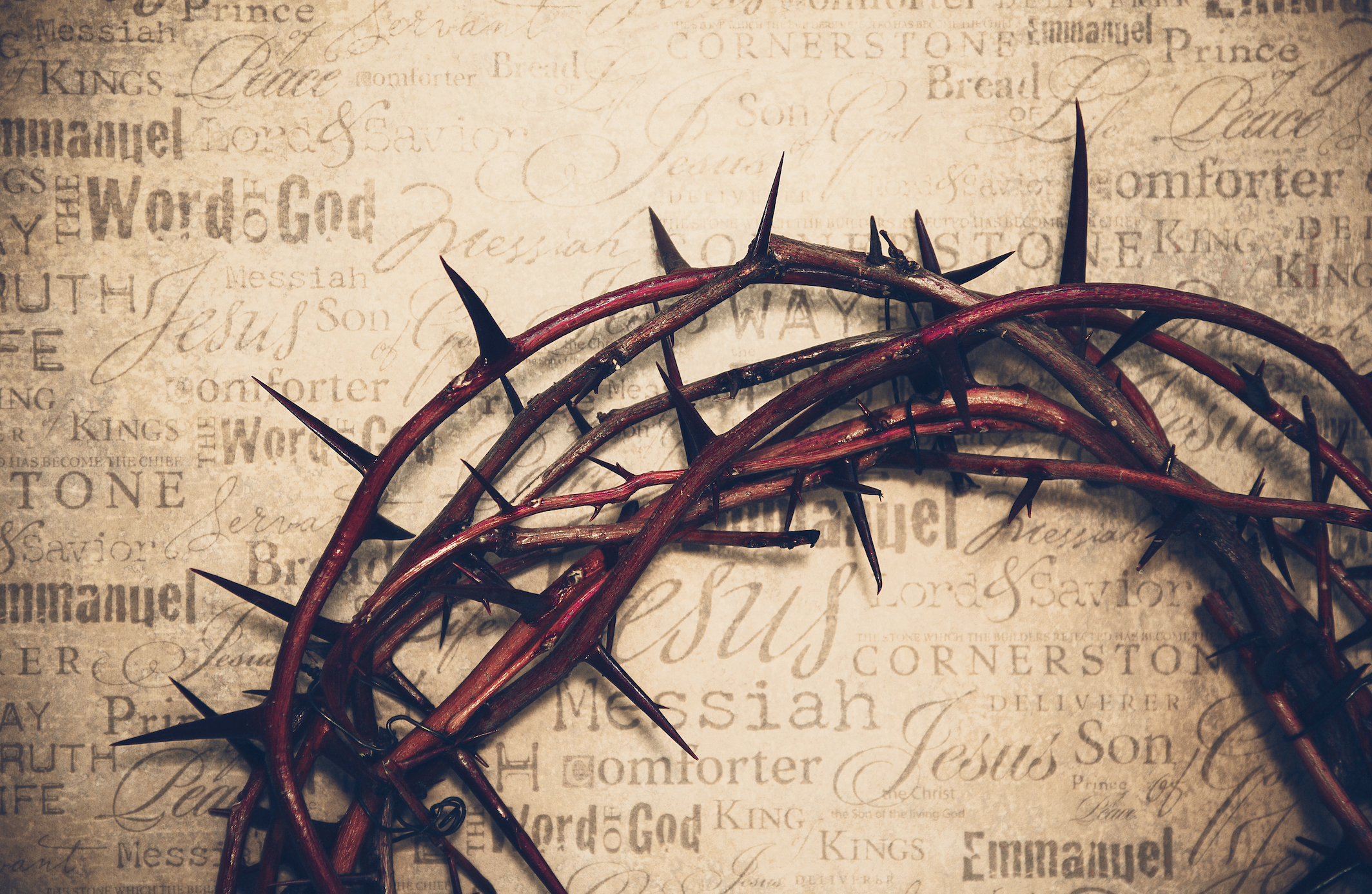
Following is another in a series of columns on The Baptist Faith & Message 2000.
The kingdom is God’s reign, his authority to rule.
Article IX of The Baptist Faith & Message 2000 reads:
“The Kingdom of God includes both His general sovereignty over the universe and His particular kingship over men who willfully acknowledge Him as King. Particularly the Kingdom is the realm of salvation into which men enter by trustful, childlike commitment to Jesus Christ. Christians ought to pray and to labor that the Kingdom may come and God’s will be done on earth. The full consummation of the Kingdom awaits the return of Jesus Christ and the end of this age.”
The terms kingdom of God, kingdom of heaven, and kingdom (with reference to the kingdom of God/heaven) appear nearly 150 times in Scripture. None of these passages offers a straightforward definition of the kingdom. Yet the kingdom is proclaimed throughout the Old Testament and is the primary focus of Jesus’ teaching.
Many of Jesus’ parables tell us what the kingdom is like. The apostles preach the gospel of the kingdom – the good news of redemption and restoration received through faith in Jesus Christ. And biblical prophecies of the last days point toward a time when God’s kingdom comes in its fullness.
So, what is the kingdom of God? Simply stated, the kingdom is God’s reign, his authority to rule.
As George Ladd notes, “The primary meaning of both the Hebrew word malkuth in the Old Testament and of basileia in the New Testament is the rank, authority and sovereignty exercised by a king. A basileia may indeed be a realm over which a sovereign exercises authority; and it may be the people who belong to that realm and over whom authority is exercised; but these are secondary and derived meanings. First of all, a kingdom is the authority to rule, the sovereignty of the king.”
Continue reading → OnceDelivered.net