

The deity of the Holy Spirit
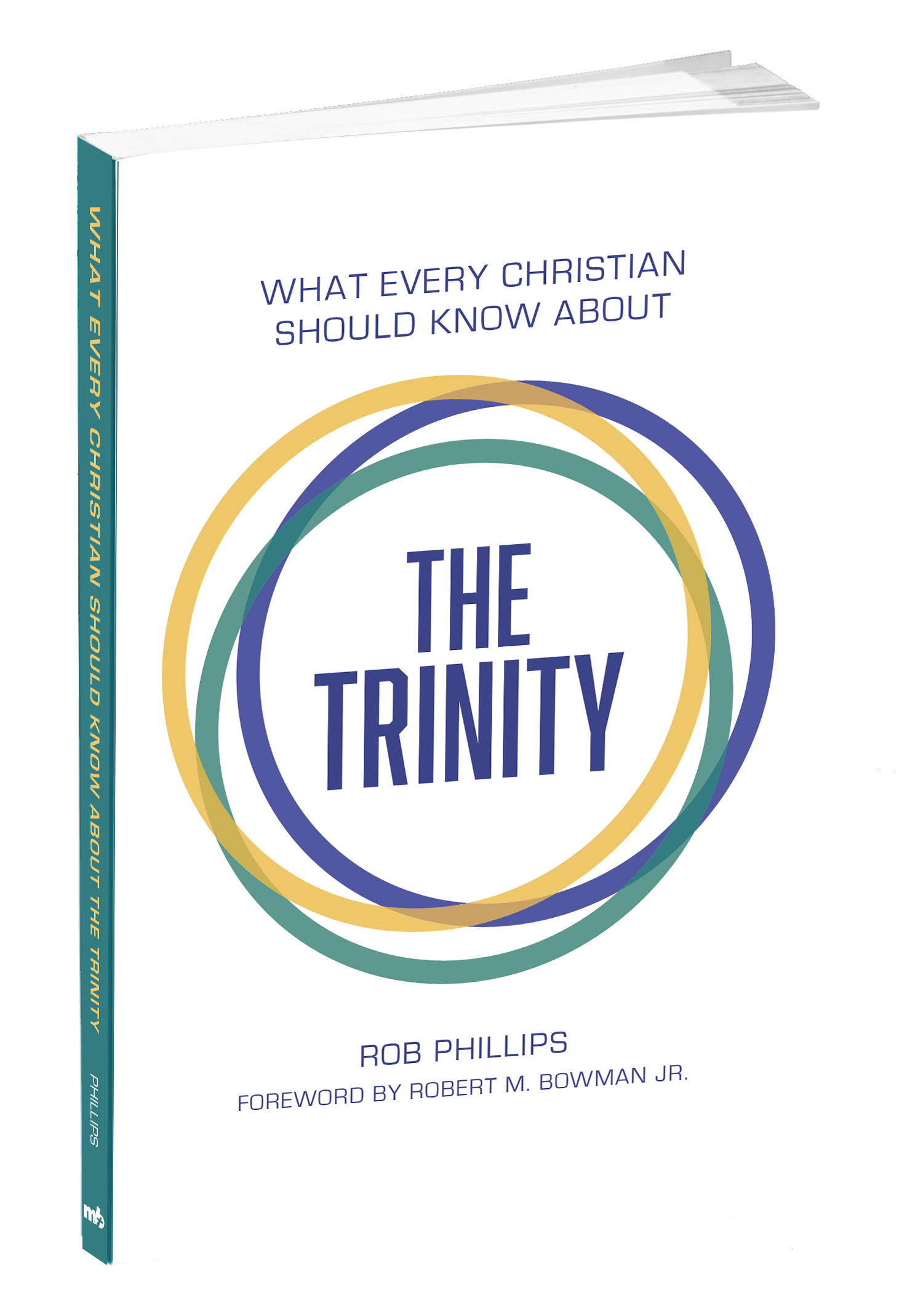
This is another in a series of excerpts from What Every Christian Should Know About the Trinity, published by High Street Press (visit highstreet.press).
In the last column, we examined the biblical evidence for the personhood of the Holy Spirit; that is, the Spirit is a He, not an it. Once the Spirit’s personality is established, His deity is a logical, and biblically faithful, next step. So, what do we see the Spirit doing that only God can do?
For starters, the Holy Spirit creates. Genesis 1:2 records, “Now the earth was formless and empty, darkness covered the surface of the watery depths, and the Spirit of God was hovering over the surface of the waters.” The Hebrew verb translated “was hovering,” used also in Deuteronomy 32:11, suggests that the Spirit of God was watching over His creation just as a bird watches over its young. Further, creatures come into being when God sends His Spirit (Ps. 104:30).
In addition, the Spirit demonstrates omniscience and omnipresence, displaying qualities that establish Him as co-equal and co-eternal with the Father and the Son.
Of the Spirit’s omniscience, Paul writes, “Now God has revealed these things to us by the Spirit, since the Spirit searches everything, even the depths of God. For who knows a person’s thoughts except his spirit within him? In the same way, no one knows the thoughts of God except the Spirit of God” (1 Cor. 2:10-11).
Of the Spirit’s omnipresence, the psalmist asks, “Where can I go to escape your Spirit? Where can I flee from your presence? If I go up to heaven, you are there; if I make my bed in Sheol, you are there” (Ps. 139:7-8).
What’s more, the Spirit shares a divine name, symbolic of divine presence, with the other members of the triune Godhead. Before Jesus ascends into heaven, He commands His followers, “Go, therefore, and make disciples of all nations, baptizing them in the name of the Father and of the Son and of the Holy Spirit” (Matt. 28:19).
Continue reading





 OnceDelivered.net