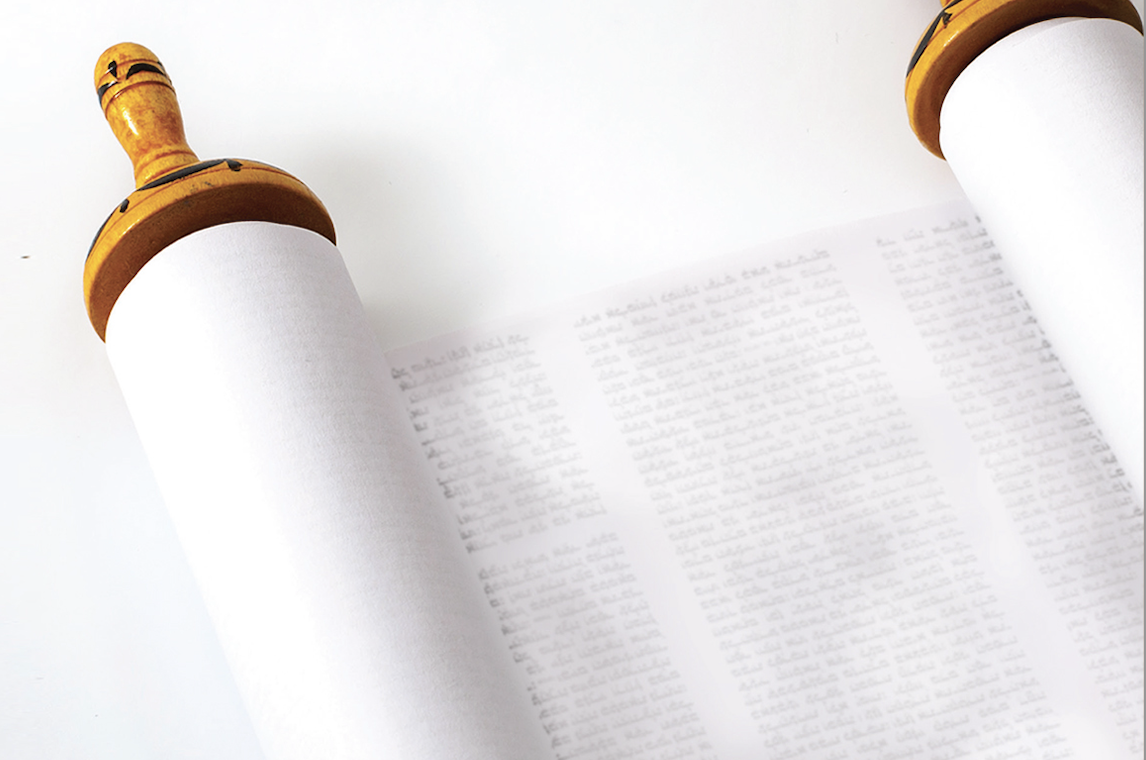
The Lamb’s Book (Part 3)

This is another in a series of excerpts from The Book of Life: What the Bible Says about God’s Registry of the Redeemed from High Street Press and available at Amazon. This except comes from Chapter 3: the Lamb’s Book.


In John’s stunning view of New Jerusalem, he reminds us, “Nothing unclean will ever enter it, nor anyone who does what is detestable or false, but only those written in the Lamb’s book of life” (Rev. 21:27). 

This verse focuses more on what and who are excluded from New Jerusalem than it does on what and who are welcomed into the city. John’s description of New Jerusalem in Revelation 21 – 22 is comprehensive in terms of its outward appearance and inward features. But what lies outside the city invites our immediate attention. John writes that nothing unclean will ever enter New Jerusalem. 

So, what does John mean by “unclean”? The Greek word is koinos, which means “common, ordinary, shared by all.” The Jews understood it to mean “unhallowed, profane, or ritually unclean.” Just as the filth of Old Jerusalem was carried outside the city walls and burned, nothing defiled is allowed into the heavenly city. Interestingly, Jesus is crucified and buried outside the city walls as one cursed or condemned (Heb. 13:11-14). Yet, it’s through his sacrifice on the cross, at the base of a hill beyond the city’s gates, that entrance into New Jerusalem is opened to all who trust in him.

Continue reading

The Lamb’s Book (Part 2)

This is another in a series of excerpts from The Book of Life: What the Bible Says about God’s Registry of the Redeemed from High Street Press and available at Amazon. This except comes from Chapter 3: the Lamb’s Book.


Read The Lamb’s Book (Part 1)

Of those who worship the beast from the sea – that is, the antichrist – John writes, “All those who live on the earth will worship it, everyone whose name was not written from the foundation of the world in the book of life of the Lamb who was slaughtered” (Rev. 13:8).

John tells us the book of life is the Lamb’s book. While the three persons of the Godhead work collaboratively to redeem mankind, Jesus is the distinct member of the Trinity that leaves heaven, adds sinless humanity to his deity via the virgin birth, bears our sin debt on the cross, and rises from the dead to conquer Satan, sin, and death for us. 

It is Jesus who shares our humanity, satisfies the wrath of the Father on our behalf, proves his messianic claims under the power of the Spirit, suffers and dies as our Passover Lamb, rises from the dead in cosmic victory, and now holds the keys of death and hades.

Continue reading

The Lamb’s Book (Part 1)

This is another in a series of excerpts from The Book of Life: What the Bible Says about God’s Registry of the Redeemed from High Street Press and available at Amazon. This except comes from Chapter 3: the Lamb’s Book.


When we explore the varied biblical references to the book of life, it’s clear that God is both author and keeper of this divine record. When Moses returns to Mount Sinai after Israel’s sin with the golden calf, he pleads with Yahweh to forgive the people. “But if not,” he tells the Lord, “please erase me from the book you have written.” Yahweh replies, “Whoever has sinned against me I will erase from my book” (Exod. 32:32-33, emphasis added).

Moses then warns the next generation that if it rejects God’s covenant requirements, “the LORD will blot out” the people’s names, making it clear Yahweh is the author, editor, publisher, and copyright owner of the book of life (Deut. 29:20).

Praising God for the wonder of his conception, David writes, “Your eyes saw me when I was formless; all my days were written in your book and planned before a single one of them began” (Ps. 139:16, emphasis added). 

Continue reading

Satan and the Abyss

This is another in a series of excerpts from What Every Christian Should Know About the Return of Jesus, released by High Street Press and available at Amazon


Before Satan is cast into the lake of fire to be tormented forever, he’s imprisoned for a thousand years, as Revelation 20:1-3 records:

“Then I saw an angel coming down from heaven holding the key to the abyss and a great chain in his hand. He seized the dragon, that ancient serpent who is the devil and Satan, and bound him for a thousand years. He threw him into the abyss, closed it, and put a seal on it so that he would no longer deceive the nations until the thousand years were completed. After that, he must be released for a short time.”

The Greek word abyssos, rendered “abyss,” “pit,” or “bottomless pit” in many English translations, occurs nine times in the New Testament. In most cases, it refers to a place of temporary confinement for certain evil spirits. For example, in Jesus’ encounter with Legion, the demons who possess the Gerasene man beg Jesus not to banish them to the abyss – no doubt a place evil spirits fear (Luke 8:31). 

Continue reading

The Book of Life: A Real Book

This is another in a series of excerpts from The Book of Life: What the Bible Says about God’s Registry of the Redeemed from High Street Press and available at Amazon. This except comes from Chapter 2: A Real Book.


When studying biblical realities we’ve never seen with the naked eye, it’s good to ask whether a writer of Scripture is expressing his divinely inspired thoughts literally or figuratively. For example, is the millennium a literal one thousand years, or simply a long stretch of time (Rev. 20:1-7)? Is “the arm of the LORD” a muscle-bound appendage of God’s, or an anthropomorphism – an expression of God in human terms (Isa. 53:1)? And is the book of life an actual scroll-and-pen publication, or a way to explain God’s unrestricted knowledge of people and events (Ps. 69:28)?

To address the last of these questions, and to better set the tone for our study of the book of life, it may help to briefly explore how Scripture uses the words “book” and “life.”

Continue reading