The Thessalonians’ Tempter

The following excerpt is taken from What Every Christian Should Know About Satan. Order your copy in print, Kindle, or Audible versions here.


The apostle Paul is deeply concerned about the Thessalonians. Not that long ago, he and Silas led a missionary team westward out of Philippi on the Roman road known as the Via Egnatia. They came to Thessalonica, the strategic capital city of the Roman province of Macedonia. This large port city on the Aegean Sea was populated with idol worshipers, as well as those devoted to emperor worship. 

In typical fashion, Paul and his comrades located the city’s synagogue and began reasoning from the Scriptures with the Jews, many of whom believed Paul’s bold declaration, “This Jesus I am proclaiming to you is the Messiah” (Acts 17:3). Some devout Greeks who worshiped at the synagogue also were persuaded, along with several  prominent women. The church at Thessalonica was established. 

But many Jews in the city rejected Paul’s message and became jealous of Paul and Silas. They stirred up an angry crowd that invaded the home where the missionaries resided. Unable to find Paul, they dragged the homeowner (Jason) and other new believers before city authorities, who demanded a security payment to ensure against further disturbances. That night, the Thessalonian believers sent Paul and Silas to Berea, where they continued their missionary work (Acts 17:1-10). 

Continue reading
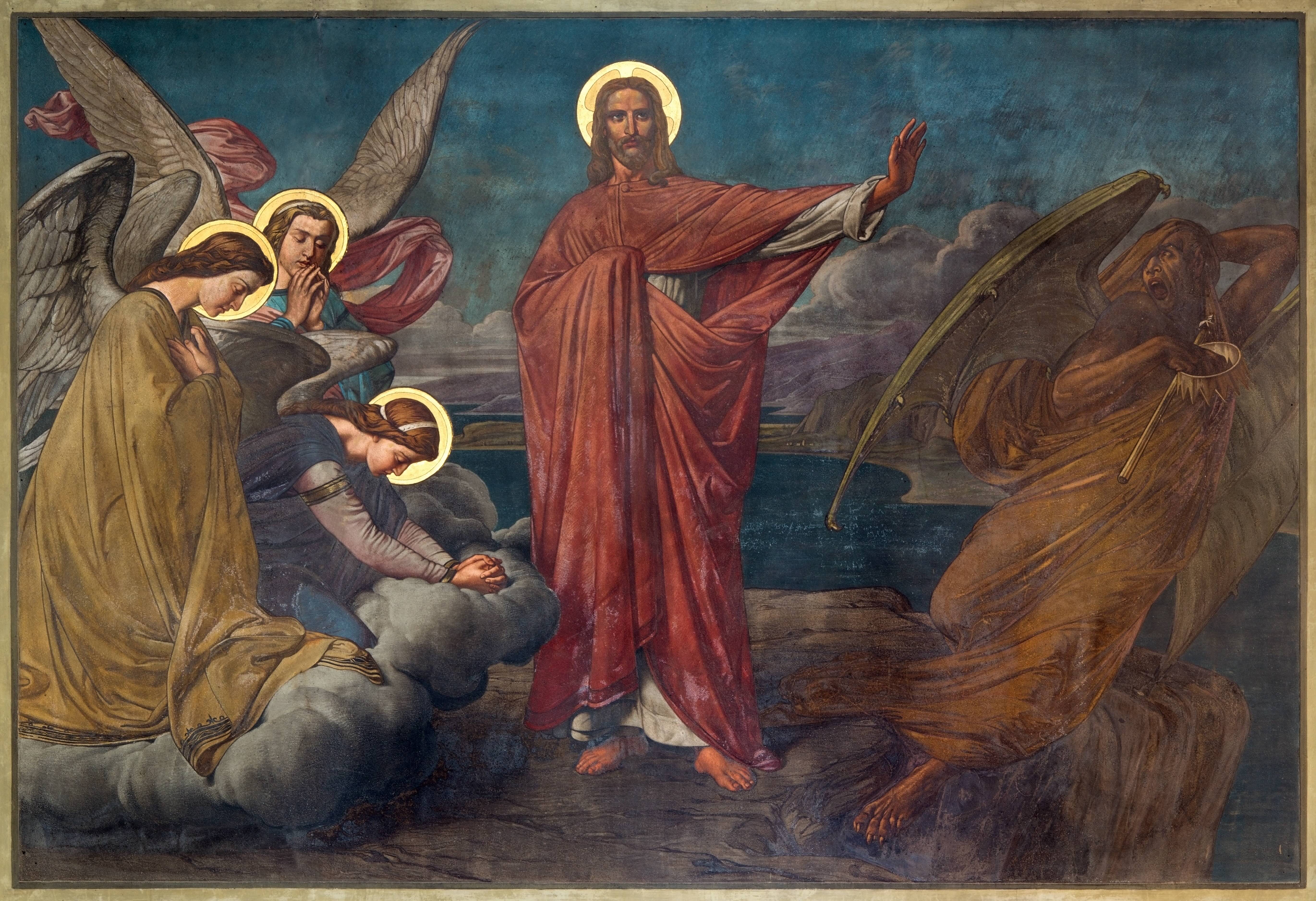
Satan’s Temptation of Jesus

The following excerpt is taken from What Every Christian Should Know About Satan. Order your copy in print, Kindle, or Audible versions here.


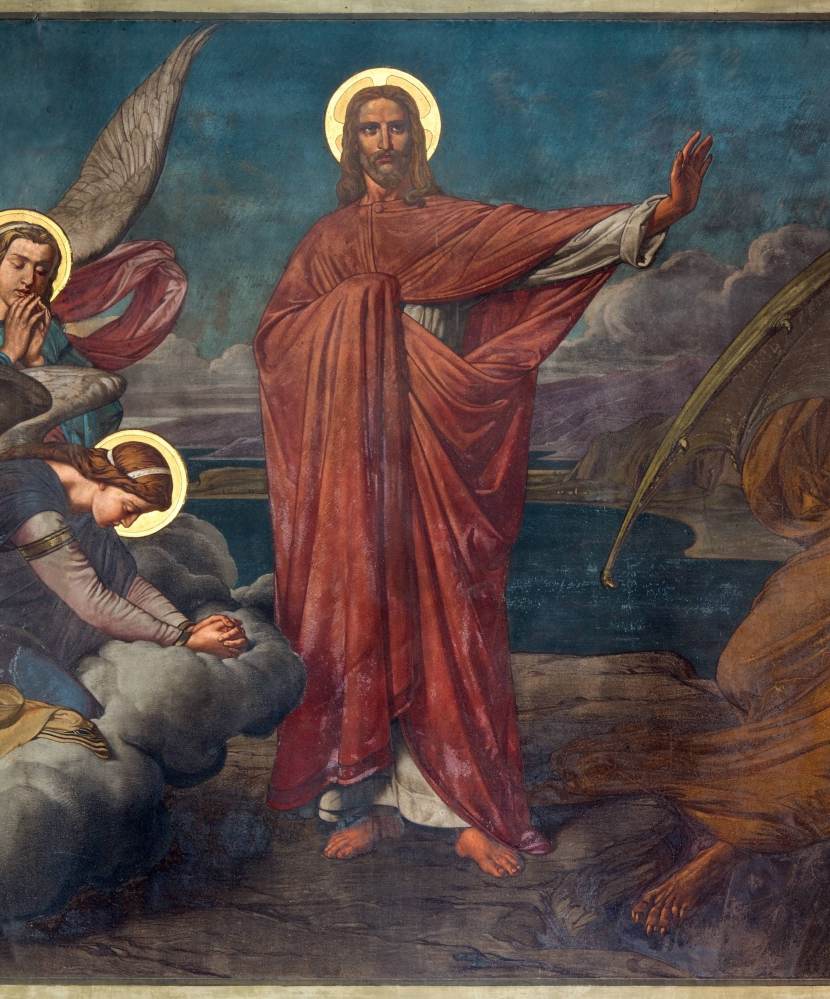
All three synoptic Gospels record the account of Jesus’ temptations in the wilderness.  Let’s look at Matthew’s record since it alone refers to Satan as the tempter, although Mark and Luke are clear that it is the evil one tempting Jesus during this encounter. 

Matthew 4:1-11 reads:

Then Jesus was led up by the Spirit into the wilderness to be tempted by the devil. After he had fasted forty days and forty nights, he was hungry. Then the tempter approached him and said, “If you are the Son of God, tell these stones to become bread.” 

He answered, “It is written: Man must not live on bread alone but on every word that comes from the mouth of God.”

Then the devil took him to the holy city, had him stand on the pinnacle of the temple, and said to him, “If you are the Son of God, throw yourself down. For it is written: He will give his angels orders concerning you, and they will support you with their hands so that you will not strike your foot against a stone.” 

Jesus told him, “It is also written: Do not test the Lord your God.” 

Again, the devil took him to a very high mountain and showed him all the kingdoms of the world and their splendor. And he said to him, “I will give you all these things if you will fall down and worship me.” 

Then Jesus told him, “Go away, Satan! For it is written: Worship the Lord your God, and serve only him.” 

Then the devil left him, and angels came and began to serve him (emphasis added).

Continue reading

The Thessalonians and Christ’s return

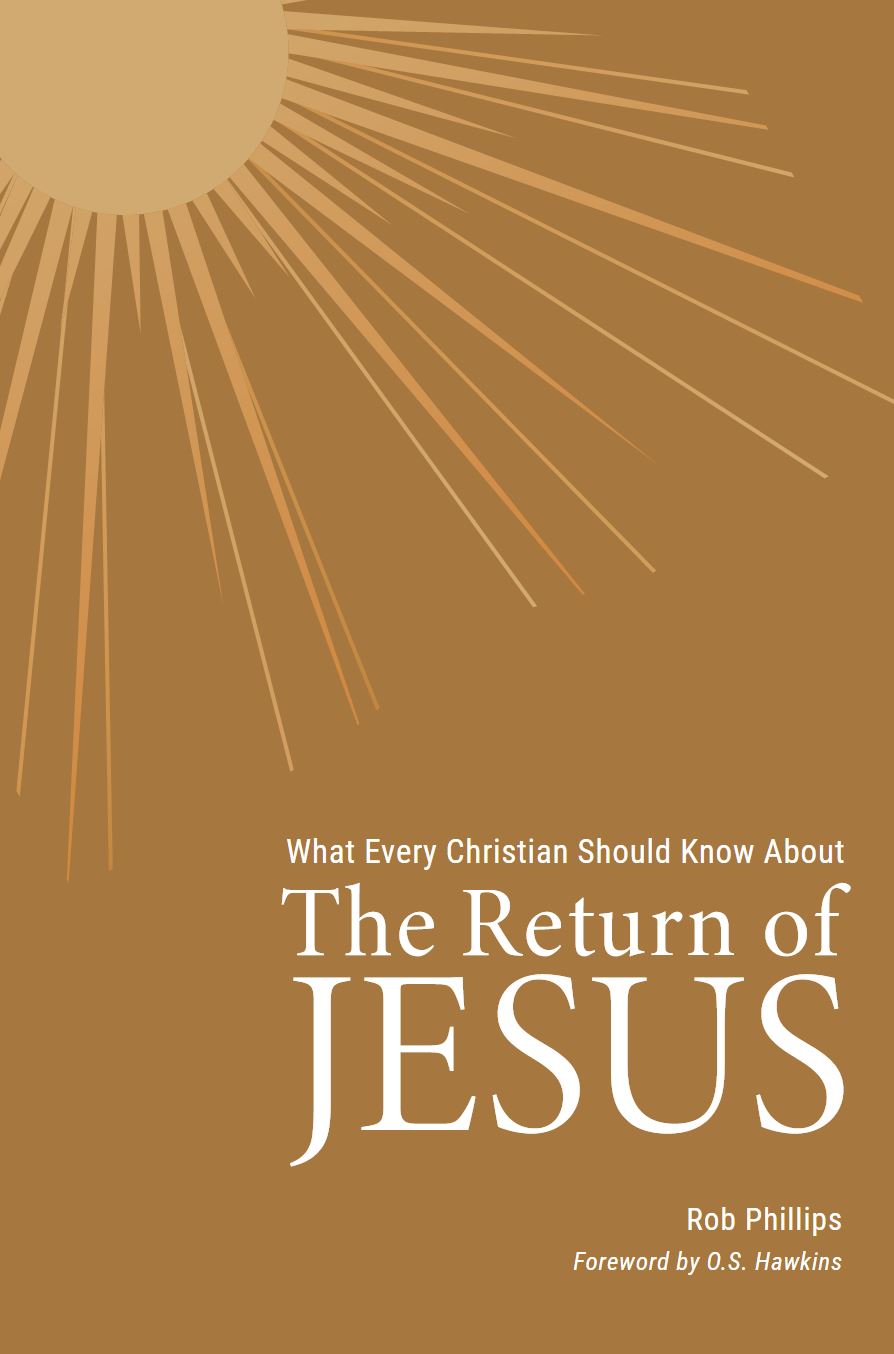
This is the fifth in a series of excerpts from What Every Christian Should Know About the Return of Jesus, released by High Street Press and available at Amazon.com.


Paul faces uncertainty in his obedience to Christ. As he boldly takes the gospel to the Gentiles, he is imprisoned, beaten, stoned and left for dead, shipwrecked, heckled, mocked, opposed by Jewish zealots and pagan idolators alike, worried for the spiritual health of the churches he has planted, and forced to defend his apostleship against the rising tide of false teachers who have infiltrated the Christian community. 

Paul may not know what tomorrow brings, but he’s steadfast in his faith in Christ and stands certain of the Savior’s return. 

In the previous column, we looked at Paul’s letter to the Philippians. Here, we examine one key passage from the apostle’s two letters to the Thessalonians. 

While preaching Jesus as Messiah in Thessalonica, Paul is accused of proclaiming a king other than Caesar (Acts 17:7). Now, the young church in that city suffers persecution. But Paul cheers them on with the promise of a future hope that includes Christians who already have died. The apostle addresses Christ’s return in several places (1 Thess. 1:9-10; 2:19-20; 3:13; 4:13-18; 5:2, 23; 2 Thess. 2:1-3, 8).

Continue reading

Satan: Tempter

The following excerpt is taken from What Every Christian Should Know About Satan. Order your copy in print, Kindle, or Audible versions here.


In Homer’s Odyssey, the sirens are three mysterious women who live on an island. When ships pass, the sirens stand on the cliffs above and sing. Their hauntingly beautiful voices lure sailors to steer their vessels closer to shore until eventually they shipwreck on the rocky coast.

Odysseus is curious to hear the sirens’ songs as well, yet he knows the dangers. He orders his men to tie him to the ship’s mast as they approach the island. Then he instructs them to plug their own ears with beeswax. 

As expected, when Odysseus hears the sirens’ call, he demands to be untied, but his shipmates obey his earlier command and bind him more tightly to the mast. Finally, they release him when the sirens’ song is no longer heard.

This ancient myth illustrates how the powerful pull of temptation is common to all people. We know all too well the perils of flirting with danger. Temptation is common to every human being. It was well-known to Jesus. Yet, despite being tempted in every way common to humanity, he emerged unscathed (Heb. 4:15).

Continue reading

When Jesus Returns, He Will Right Every Wrong

A while back, Benjamin Hawkins, editor of The Pathway, interviewed me about What Every Christian Should Know About the Return of Jesus. You can read the entire interview here. Excerpts are posted below.


Ben: You’ve written several books in recent years, covering a wide range of topics from Satan and the Trinity, to the afterlife, same-sex attraction and Islam, as well as other topics. What has been your goal in producing these books?

Rob: My goal for each book has been to provide a biblically faithful, readable, and relevant resource for Missouri Baptists to use in personal or group study. I’m very grateful to our executive director, Dr. John Yeats, for helping establish High Street Press, the publishing imprint of the MBC. He is a champion of our churches and greatly wants to see biblical literacy grow in all our congregations.

Ben: Which of these books have impacted you most deeply on a personal level? Why?

Rob: I would say What Every Christian Should Know About Satan has had the most profound personal impact on me. Over the months of study and writing about the evil one’s different names and titles, I became more aware of his subtle attacks on me and on other followers of Jesus. 

Satan prefers a surgical knife to a bludgeon, and in tiny increments he keeps God’s people from enjoying their walk with Christ and from being fruitful citizens of his kingdom. For unbelievers, on the other hand, Satan blinds them to the truth of the gospel and thus keeps them bound in his realm of darkness. 

While there is much to fear from the evil one, we may be confident that Christ conquered him through his death, burial, and resurrection. Satan is a prowling lion, as the apostle Peter writes (1 Pet. 5:8), but he’s a lion on a leash, and his days are numbered. For this reason, we should not ascribe to him more power than he’s due, nor carelessly think he has no ability to do us great harm.

Continue reading