
Category: Uncategorized

The letter to the church at Philadelphia
 Rev. 3:7-13 – To the angel of the church in Philadelphia write: The Holy One, the True One, the One who has the key of David, who opens and no one will close, and closes and no one opens says: I know your works. Because you have limited strength, have kept My word, and have not denied My name, look, I have placed before you an open door that no one is able to close. Take note! I will make those from the synagogue of Satan, who claim to be Jews and are not, but are lying – note this – I will make them come and bow down at your feet, and they will know that I have loved you. Because you have kept My command to endure, I will also keep you from the hour of testing that is going to come over the whole world to test those who live on the earth. I am coming quickly. Hold on to what you have, so that no one takes your crown. The victor: I will make him a pillar in the sanctuary of My God, and he will never go out again. I will write on him the name of My God, and the name of the city of My God – the new Jerusalem, which comes down out of heaven from My God – and My new name. 13 Anyone who has an ear should listen to what the Spirit says to the churches. (HCSB)
Twenty-eight miles southeast of Sardis is Philadelphia, built by King Attalus Philadelphus of Pergamum. “Philadelphus” is similar to the Greek word philadelphia, meaning brotherly love, which occurs seven times in the New Testament. Known for its agricultural products, Philadelphia also is situated on a geological fault and therefore prone to earthquakes. In B.C. 17 a major earthquake destroys Philadelphia, Sardis and 10 other cities. Its location is crucial, however, as it sits on a main route from Rome to the East and therefore is called “the gateway to the East.” It also is known as “little Athens” because of its many pagan temples.
The city hosts one of only two churches – the other being Smyrna – for which Christ has nothing but unvarnished praise. While the city’s good name preceded the church, the believers in Philadelphia no doubt enhance its reputation because of their love of Christ and love for one another. “But it is not enough to love God and our fellow believers; we must also love a lost world and seek to reach unbelievers with the Good News of the Cross,” writes Warren Wiersbe. “This church had a vision to reach a lost world, and God set before them an open door.”
Continue reading

The letter to the church at Sardis
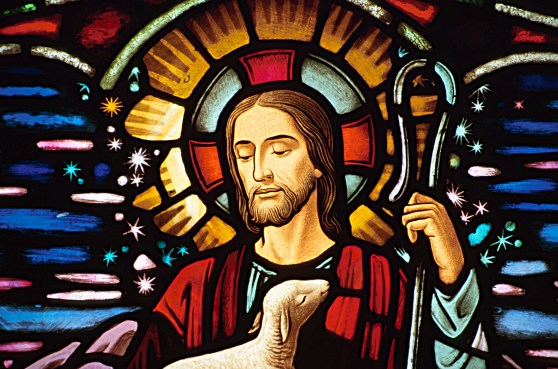 Rev. 3:1-6 – To the angel of the church in Sardis write: The One who has the seven spirits of God and the seven stars says: I know your works; you have a reputation for being alive, but you are dead. Be alert and strengthen what remains, which is about to die, for I have not found your works complete before My God. Remember therefore what you have received and heard; keep it, and repent. But if you are not alert, I will come like a thief, and you have no idea at what hour I will come against you. But you have a few people in Sardis who have not defiled their clothes, and they will walk with Me in white, because they are worthy. In the same way, the victor will be dressed in white clothes, and I will never erase his name from the book of life, but will acknowledge his name before My Father and before His angels. Anyone who has an ear should listen to what the Spirit says to the churches. (HCSB)
Sardis is located 30 miles southeast of Thyatira and is an important commercial city situated on a major east-west trade route. Key goods produced there include jewelry, dye and textiles. From a religious perspective, Sardis is a pagan city with a temple to Artemis, the ruins of which still remain. Archaeologists also have located the ruins of a small Christian church building next to the temple.
Sardis is said to be the chief city of Asia Minor in John’s day and perhaps the first city in that part of the world converted to the preaching of John. It also may have been the first city there to abandon Christianity and come to ruin. Christ’s stern message is not completely in vain, however, for we know of the second-century bishop Melito who distinguishes himself with piety and learning. Even so, the local church does not endure, nor does the city; only a village called Sart remains today among the ruins.
Continue reading

The letter to the church at Thyatira
 Rev. 2:18-29 – To the angel of the church in Thyatira write: The Son of God, the One whose eyes are like a fiery flame, and whose feet are like fine bronze says: I know your works – your love, faithfulness, service, and endurance. Your last works are greater than the first. But I have this against you: you tolerate the woman Jezebel, who calls herself a prophetess, and teaches and deceives My slaves to commit sexual immorality and to eat meat sacrificed to idols. I gave her time to repent, but she does not want to repent of her sexual immorality. Look! I will throw her into a sickbed, and those who commit adultery with her into great tribulation, unless they repent of her practices. I will kill her children with the plague. Then all the churches will know that I am the One who examines minds and hearts, and I will give to each of you according to your works. I say to the rest of you in Thyatira, who do not hold this teaching, who haven’t known the deep things of Satan – as they say – I do not put any other burden on you. But hold on to what you have until I come. The victor and the one who keeps My works to the end: I will give him authority over the nations – and He will shepherd them with an iron scepter; He will shatter them like pottery – just as I have received [this] from My Father. I will also give him the morning star. Anyone who has an ear should listen to what the Spirit says to the churches. (HCSB)
Lydia, a seller of purple goods, whose heart God opened to the message of Christ, is from this commercial center steeped in paganism (Acts 16:14). Having heard Paul’s proclamation of the gospel in Philippi, she may have taken the good news back to Thyatira and been among the first to evangelize her city. Thyatira is a military town that also boasts guilds dealing in metals and fabric. Guild members celebrate their patron deities in festivals that no doubt tempt Christians. Some even may have given in to the message of a “prophetess” who promoted illicit sex and food sacrificed to idols. The city is known for its temple to Apollo, the sun god. Thyatira is the smallest of the seven cities yet receives the longest letter, and one of the sternest rebukes, from Christ.
Continue reading

The letter to the church at Pergamum

Rev. 2:12-17 – To the angel of the church in Pergamum write: The One who has the sharp, two-edged sword says: I know where you live – where Satan’s throne is! And you are holding on to My name and did not deny your faith in Me, even in the days of Antipas, My faithful witness, who was killed among you, where Satan lives. But I have a few things against you. You have some there who hold to the teaching of Balaam, who taught Balak to place a stumbling block in front of the sons of Israel: to eat meat sacrificed to idols and to commit sexual immorality. In the same way, you also have those who hold to the teaching of the Nicolaitans. Therefore repent! Otherwise, I will come to you quickly and fight against them with the sword of My mouth. Anyone who has an ear should listen to what the Spirit says to the churches. I will give the victor some of the hidden manna. I will also give him a white stone, and on the stone a new name is inscribed that no one knows except the one who receives it. (HCSB)
Also known as Pergamos, this city lies 20 miles inland from Smyrna. It is known for its wealth, like Ephesus and Smyrna, but stands alone for its wickedness. Adherents to the city’s pagan cults worship Athena (goddess of war, civilization, wisdom, strength, strategy, crafts, justice and skill); Asclepius (god of medicine and healing); Dionysus (god of the grape harvest, winemaking and wine, of ritual madness and ecstasy); and Zeus (the supreme ruler of Mount Olympus and of the pantheon of gods who reside there). The worship of the Roman emperor as a god permeates Asia and is evident in Pergamum. All of this evidently prompts Jesus to refer to the city as the place of Satan’s throne. Pergamum also is famous for its university with a library of 200,000 volumes, and for manufacturing parchment resulting in a paper called pergamena.
Continue reading

The letter to the church at Smyrna
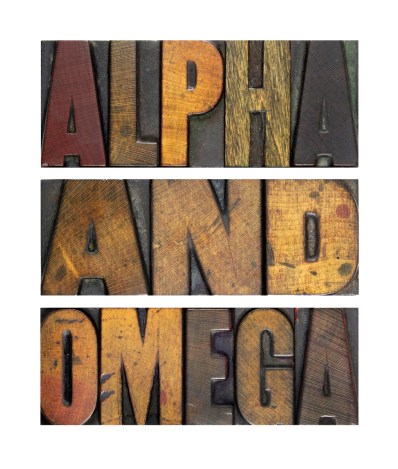 Rev. 2:8-11 – To the angel of the church in Smyrna write: The First and the Last, the One who was dead and came to life, says: I know your tribulation and poverty, yet you are rich. I know the slander of those who say they are Jews and are not, but are a synagogue of Satan. Don’t be afraid of what you are about to suffer. Look, the Devil is about to throw some of you into prison to test you, and you will have tribulation for 10 days. Be faithful until death, and I will give you the crown of life. Anyone who has an ear should listen to what the Spirit says to the churches. The victor will never be harmed by the second death. (HCSB)
Smyrna is a harbor city known for its temple to the “mother goddess” and for its provincial cult temples to Roman emperors Tiberius (1st century) and Hadrian (2nd century). The city is reportedly a beautiful one with paved streets, a library, a gymnasium, and a shrine to Homer, who may have been born there. Evidently there also is a significant Jewish presence in the city. Christian leaders Polycarp and Pionius write about Jewish opposition to Christians there.
According to The Bible Knowledge Commentary, “The name of the city, Smyrna, means ‘myrrh,’ an ordinary perfume. It was also used in the anointing oil of the tabernacle, and in embalming dead bodies (cf. Ex. 30:23; Ps. 45:8; Song 3:6; Matt. 2:11; Mark 15:23; John 19:39). While the Christians of the church at Smyrna were experiencing the bitterness of suffering, their faithful testimony was like myrrh or sweet perfume to God.”
Continue reading
 OnceDelivered.net