The Books Were Opened: Daniel 7:9-10

This is another in a series of excerpts from The Book of Life: What the Bible Says about God’s Registry of the Redeemed from High Street Press and available at Amazon. This except comes from Chapter 9: The Books Were Opened: Daniel 7:9-10.


As I kept watching, thrones were set in place, and the Ancient of Days took his seat. His clothing was white like snow, and the hair of his head like whitest wool. His throne was flaming fire; its wheels were blazing fire. A river of fire was flowing, coming out from his presence. Thousands upon thousands served him; ten thousand times ten thousand stood before him. The court was convened, and the books were opened (Dan. 7:9-10).

Daniel’s vision of the Ancient of Days expands our study of the book of life. That’s because Daniel sees, not a single book, but “books” opened in judgment. This foreshadows what John witnesses centuries later in his vision of the great white throne: 

I also saw the dead, the great and the small, standing before the throne, and books were opened. Another book was opened, which is the book of life, and the dead were judged according to their works by what was written in the books (Rev. 20:12, emphasis added).

In final judgment, books are opened. Daniel doesn’t identify these books by name, tell us the quantity of the books opened, or even reveal who opens the books. But this much seems clear from the whole counsel of Scripture: while the redeemed are recorded in the book of life, other books evidently expose every person’s thoughts, deeds, and actions, resulting in various rewards for the saved and degrees of punishment for the lost. 

Continue reading
Better by Far

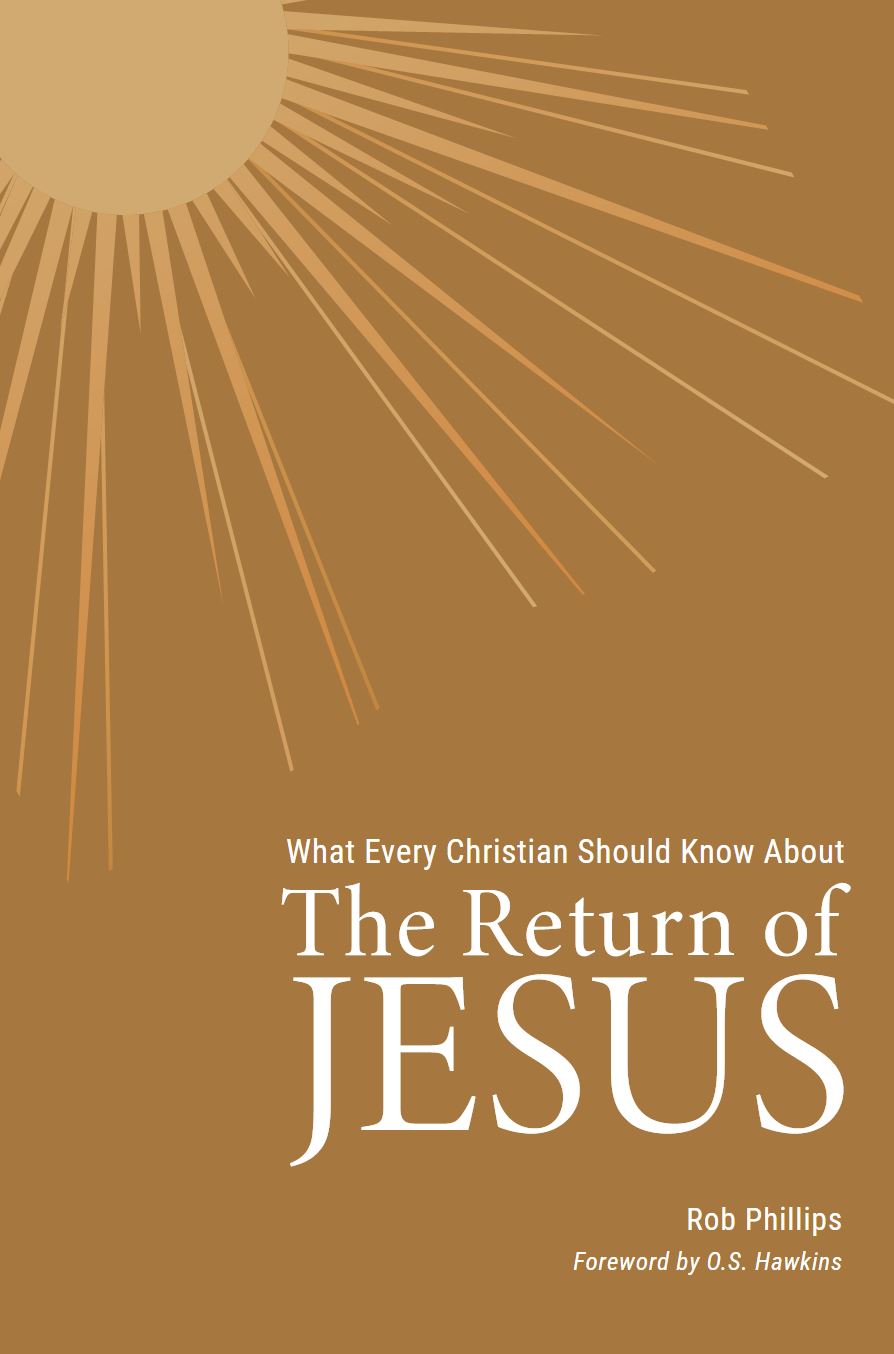
This is another in a series of excerpts from What Every Christian Should Know About the Return of Jesus, released by High Street Press and available at Amazon


As wonderful as the intermediate heaven is, our ultimate destiny is the new heavens and new earth, which Peter and John describe as a place of righteousness and restored innocence (2 Pet. 3:10-13; Rev. 21-22). Christ returns, resurrects and judges all people, establishes his kingdom in fullness, creates new heavens and a new earth, and gives us roles to play in the administration of his eternal kingdom.

John begins Revelation 21 with these words: “Then I saw a new heaven and a new earth ….” There are two words translated “new” in the Greek New Testament: neos and kainosNeos is an adjective describing the age of something or someone. But John uses kainos, which means “different from the usual, impressive, better than the old, superior in value or attraction.” 

Continue reading

Who Are These Guys?

This is the second in a series of articles on what the Bible says about UFOs and aliens.

In the previous column, we introduced the modern UFO/alien craze that has its roots in a 1938 radio broadcast of a fictional Martian attack on Earth. Now, let’s establish a few definitions as we explore our culture’s fascination with extraterrestrials.

First, unidentified anomalous phenomena (UAP). For years, we’ve referred to flying saucers and strange lights in the sky as UFOs – unidentified flying objects. That term has given way to UAP – unidentified anomalous phenomena. 

The new phrase removes the stigma of UFOs, which are associated with extraterrestrial conspiracy theories. Further, UAP provides a more scientific framework for studying phenomena in air, sea, and space.

Continue reading

Whoever Remains in Zion: Isaiah 4:3 (Part 3)

This is another in a series of excerpts from The Book of Life: What the Bible Says about God’s Registry of the Redeemed from High Street Press and available at Amazon. This except comes from Chapter 8: Whoever Remains in Zion: Isaiah 4:3.


In two previous posts (#1; #2), we began to explore Isaiah’s revelation about the book of life: “Whoever remains in Zion and whoever is left in Jerusalem will be called holy ​— ​all in Jerusalem written in the book of life ….” (Isa. 4:3). We complete our study of this passage here.

Zion

So, to whom is this promise made? Isaiah 4:3 tells us, “Whoever remains in Zion and whoever is left in Jerusalem will be called holy ​— ​all in Jerusalem written in the book of life ….”​

The word “Zion” appears more than 150 times in Scripture. Essentially, it means “fortification” and carries the idea of being raised up as a monument. Zion is depicted both as the city of David and the city of God. We find the first mention of Zion in 2 Samuel 5: “Yet David did capture the stronghold of Zion, that is, the city of David…. David took up residence in the stronghold, which he named the city of David” (vv. 7, 9).

As we move through the Old and New Testaments, the word “Zion” takes on additional, spiritual meaning. For example, Zion refers figuratively to Israel as the people of God (Isa. 60:14). And it comes to mean God’s spiritual kingdom.

Continue reading

Whoever Remains in Zion: Isaiah 4:3 (Part 2)

This is another in a series of excerpts from The Book of Life: What the Bible Says about God’s Registry of the Redeemed from High Street Press and available at Amazon. This except comes from Chapter 8: Whoever Remains in Zion: Isaiah 4:3.


In the previous post, we were introduced to Isaiah’s reference to the book of life in Isaiah 4:3: “Whoever remains in Zion and whoever is left in Jerusalem will be called holy ​— ​all in Jerusalem written in the book of life.” Here, we continue our exploration of this passage.

Branch

Isaiah’s reference to “the Branch of the LORD” reinforces this view (4:2). The “Branch” foreshadows the coming Messiah, who brings marvelous fertility to the land and reverses the dire situation described in previous chapters. The Lord is going to replace Judah’s proud leaders with the Branch, a “beautiful and glorious” monarch who takes away sin and restores the land’s abundance. This Branch is of David’s lineage, yet also, in an unexplained way, he bears divine ancestry.

Other Old Testament passages give us insight into the person and work of the Branch. For example:

Isaiah 11:1-5 – Then a shoot will grow from the stump of Jesse, and a branch from his roots will bear fruit. The Spirit of the LORD will rest on him — a Spirit of wisdom and understanding, a Spirit of counsel and strength, a Spirit of knowledge and of the fear of the LORD. His delight will be in the fear of the LORD. He will not judge by what he sees with his eyes, he will not execute justice by what he hears with his ears, but he will judge the poor righteously and execute justice for the oppressed of the land. He will strike the land with a scepter from his mouth, and he will kill the wicked  with a command from his lips. Righteousness will be a belt around his hips; faithfulness will be a belt around his waist. 

Continue reading