
Tagged: sea turned to blood
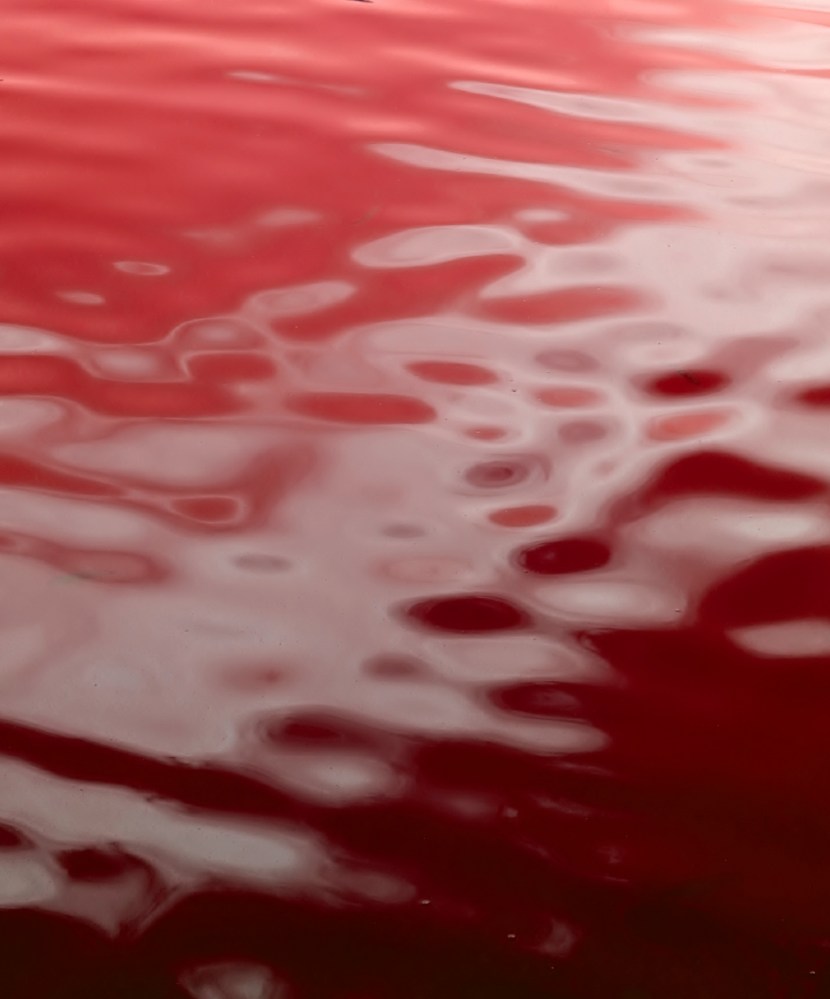
The second bowl – Revelation 16:3
Previously: The first bowl – Revelation 16:1-2
The scripture
Rev. 16:3 –The second [angel] poured out his bowl into the sea. It turned to blood like a dead man’s, and all life in the sea died. (HCSB)
The sea turned to blood
 John records that the target of the second angel’s bowl of divine wrath is the sea, which turns to blood like a dead man’s. There are two key questions to be addressed here. First, what is meant by the “sea?” And second, what is the significance of the sea turning to blood “like a dead man’s?”
As we have noted in previous chapters, Bible scholars interpret the meaning of the sea differently in Revelation:
- Some understand it literally to mean the salty bodies of water that cover much of the earth’s surface. The seas turn red by the hand of God, or as a result of divinely orchestrated human battles; some argue that a bacterial “red tide” may be the cause of perishing sea life. The widespread death of people and/or animals in the sea would create a putrid environment that clogs the waterways with coagulating blood like a dead man’s.
- Others argue for a narrower but equally literal view, saying John is referring to the Mediterranean Sea, or to the waters between Patmos, where John is exiled, and Rome; this would include not only the Mediterranean Sea, but the Aegean, Adriatic and Tyrrhenian Seas. This presupposes that the bowl judgments are poured out on the known world of John’s day rather than on all the earth’s seas.
- Many preterists contend that the Sea of Galilee is in John’s view since that is where the Roman armies inflict a particularly horrifying slaughter of the Jews during their first-century rebellion against the empire. In fact, the result of the battle is that the sea becomes a floating tide of corpses, severed limbs and bloody pools.
- Some historicists say the sea depicts the ocean centuries later as the navies of France, Spain and Portugal suffer bloody defeats while defending a corrupt papacy. Matthew Henry suggests the bloody seas may describe “the whole system of [Papal Rome’s] religion, their false doctrines, their corrupt glosses, their superstitious rites, their idolatrous worship, their pardons, indulgences, a great conflux of wicked inventions and institutions, by which they maintain a trade and traffic advantageous to themselves, but injurious to all who deal with them…. God discovered not only the vanity and falsehood of their religion, but the pernicious and deadly nature of it – that the souls of men were poisoned by that which was pretended to be the sure means of their salvation” (Matthew Henry’s Commentary on the Whole Bible: Complete and Unabridged in One Volume, 16:1-7).
- Still others take a symbolic approach, contending that the sea stands for the Gentile nations, or the restless mass of humanity in general.
Whether this vision is to be understood literally or figuratively, the sea turning to blood “like a dead man’s” conveys the idea of massive and complete death. The waters swell with putrefied corpses. Life’s blood has been spilled beyond the hope of healing. Death, destruction, and decay assault the eyes and inflame the nostrils. This is graphic, violent, sense-numbing death. Even if we take John’s description symbolically, the corruption of people, nations, and institutions is complete. The false doctrines are a stench in God’s nostrils. The corrupt practices of people, governments, and religious institutions are beyond repair; like corpses, they must be discarded. John seems here to be telling us that God’s punishment fits the crime. The wicked are so depraved nothing short of death will vindicate His holiness.
Continue reading
 OnceDelivered.net