
Tagged: Lamb’s book of life
Why Is It the Lamb’s Book?
This is another in a series of excerpts from The Book of Life: What the Bible Says about God’s Registry of the Redeemed from High Street Press and available at Amazon. This except comes from Chapter 3: the Lamb’s Book.
Why is the book of life also called the Lamb’s book? When we think of Jesus as the Lamb of God, and we see Scripture identify the book of life as belonging to the Lamb, we should note that lambs play a key role in redemption.
The Passover lamb is the means by which obedient Israelites are spared the wrath of the angel of death, who comes to claim the firstborn in Egypt (Exod. 11 – 13). This lamb must be young, spotless, and precious. Brought into the house for several days to be examined, he becomes a familiar and beloved member of the family who must then die, and whose blood, sprinkled on the doorposts, is a sign to the destroyer to pass over the house.
Other Old Testament passages depict the Passover lamb as a type of Christ. Isaiah 53, for example, tells us of the coming Messiah being led like a lamb to the slaughter:
Continue readingHe was oppressed and afflicted, yet he did not open his mouth. Like a lamb led to the slaughter and like a sheep silent before her shearers, he did not open his mouth. He was taken away because of oppression and judgment, and who considered his fate? For he was cut off from the land of the living; he was struck because of my people’s rebellion. He was assigned a grave with the wicked, but he was with a rich man at his death, because he had done no violence and had not spoken deceitfully (Isa. 53:7-9).
The Lamb’s Book (Part 3)
This is another in a series of excerpts from The Book of Life: What the Bible Says about God’s Registry of the Redeemed from High Street Press and available at Amazon. This except comes from Chapter 3: the Lamb’s Book.
In John’s stunning view of New Jerusalem, he reminds us, “Nothing unclean will ever enter it, nor anyone who does what is detestable or false, but only those written in the Lamb’s book of life” (Rev. 21:27).
This verse focuses more on what and who are excluded from New Jerusalem than it does on what and who are welcomed into the city. John’s description of New Jerusalem in Revelation 21 – 22 is comprehensive in terms of its outward appearance and inward features. But what lies outside the city invites our immediate attention. John writes that nothing unclean will ever enter New Jerusalem.
So, what does John mean by “unclean”? The Greek word is koinos, which means “common, ordinary, shared by all.” The Jews understood it to mean “unhallowed, profane, or ritually unclean.” Just as the filth of Old Jerusalem was carried outside the city walls and burned, nothing defiled is allowed into the heavenly city. Interestingly, Jesus is crucified and buried outside the city walls as one cursed or condemned (Heb. 13:11-14). Yet, it’s through his sacrifice on the cross, at the base of a hill beyond the city’s gates, that entrance into New Jerusalem is opened to all who trust in him.
Continue readingThe Lamb’s Book (Part 2)
This is another in a series of excerpts from The Book of Life: What the Bible Says about God’s Registry of the Redeemed from High Street Press and available at Amazon. This except comes from Chapter 3: the Lamb’s Book.
Of those who worship the beast from the sea – that is, the antichrist – John writes, “All those who live on the earth will worship it, everyone whose name was not written from the foundation of the world in the book of life of the Lamb who was slaughtered” (Rev. 13:8).
John tells us the book of life is the Lamb’s book. While the three persons of the Godhead work collaboratively to redeem mankind, Jesus is the distinct member of the Trinity that leaves heaven, adds sinless humanity to his deity via the virgin birth, bears our sin debt on the cross, and rises from the dead to conquer Satan, sin, and death for us.
It is Jesus who shares our humanity, satisfies the wrath of the Father on our behalf, proves his messianic claims under the power of the Spirit, suffers and dies as our Passover Lamb, rises from the dead in cosmic victory, and now holds the keys of death and hades.
Continue readingThe Lamb’s Book (Part 1)
This is another in a series of excerpts from The Book of Life: What the Bible Says about God’s Registry of the Redeemed from High Street Press and available at Amazon. This except comes from Chapter 3: the Lamb’s Book.
When we explore the varied biblical references to the book of life, it’s clear that God is both author and keeper of this divine record. When Moses returns to Mount Sinai after Israel’s sin with the golden calf, he pleads with Yahweh to forgive the people. “But if not,” he tells the Lord, “please erase me from the book you have written.” Yahweh replies, “Whoever has sinned against me I will erase from my book” (Exod. 32:32-33, emphasis added).
Moses then warns the next generation that if it rejects God’s covenant requirements, “the LORD will blot out” the people’s names, making it clear Yahweh is the author, editor, publisher, and copyright owner of the book of life (Deut. 29:20).
Praising God for the wonder of his conception, David writes, “Your eyes saw me when I was formless; all my days were written in your book and planned before a single one of them began” (Ps. 139:16, emphasis added).
Continue reading
The book of life – Revelation 20:12b
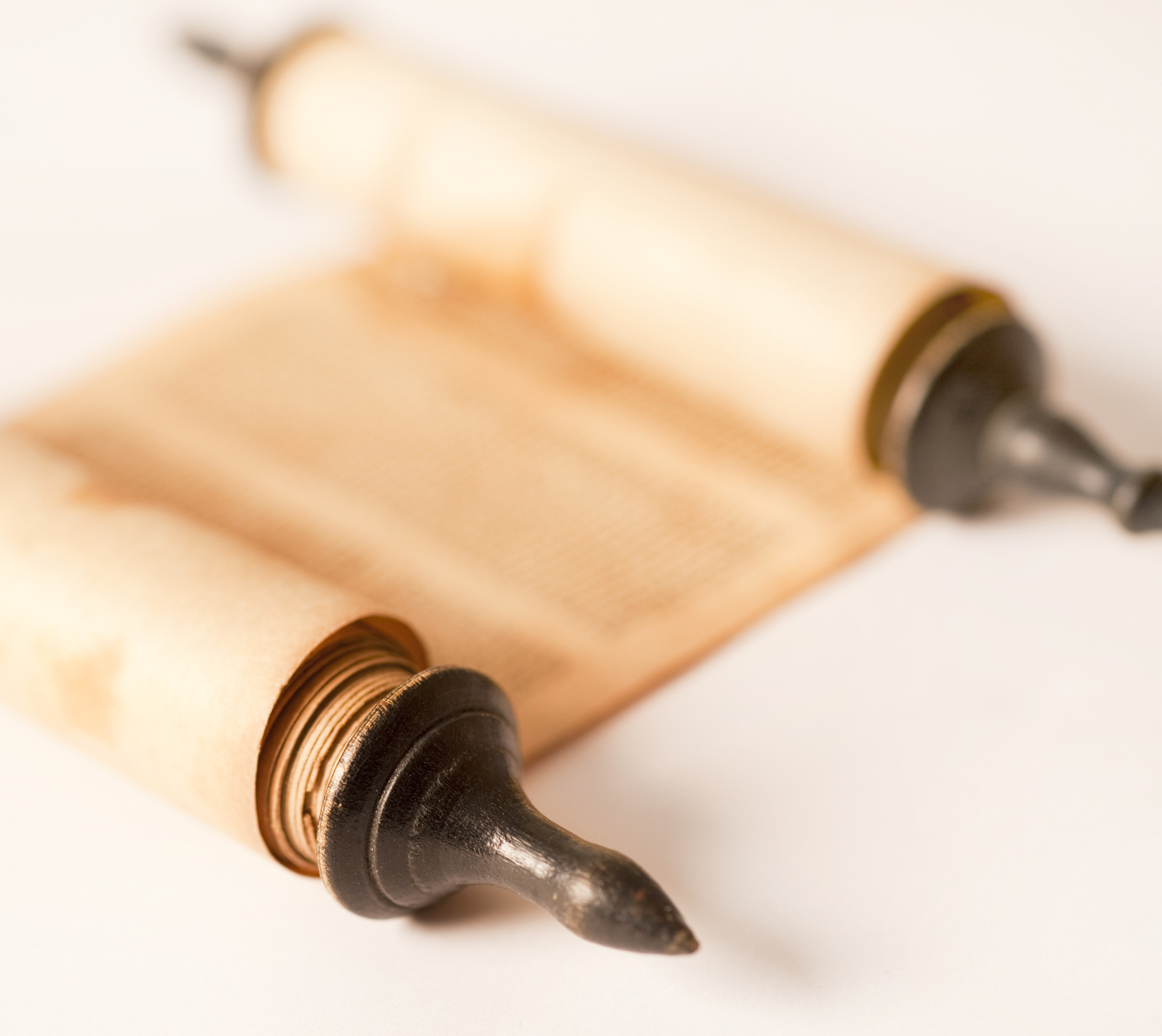 Previously: Books were opened – Revelation 20:12b
The scripture
Rev. 20:12b – Another book was opened, which is the book of life, and the dead were judged according to their works by what was written in the books. (HCSB)
The book of life
In Revelation, the “book of life” refers to a divine record of all believers – those who live eternally with God in the new heavens and the new earth. This book is mentioned several times:
- In Rev. 3:5, Jesus promises the faithful in Sardis that He will never erase their names from the book of life – a comfort to those familiar with the common practice of erasing the name of a condemned criminal from the citizenship registry.
- In Rev. 13:8, we are reminded that unbelievers’ names have never been written in the book of life.
- In Rev. 17:8, we are told that those who live on the earth whose names have not been written in the book of life from the foundation of the world will marvel when they see the beast whose fatal wound is healed.
- In Rev. 20:12, 15, we see resurrected unbelievers stand before the great white throne as books are opened in judgment, including the book of life; they are cast into the lake of fire because their names are not written in the book of life.
- And in Rev. 21:27, we see that only those whose names are written in the Lamb’s book of life enter the New Jerusalem.
Additionally, in Luke 10:20, Jesus’ followers are assured that their names are written in heaven. In Phil. 4:3, Paul writes about his coworkers whose names are in the book of life. And in Heb. 12:23, the author tells of the “assembly of the firstborn whose names have been written in heaven.”
Continue reading
 OnceDelivered.net