
Tagged: Gehenna
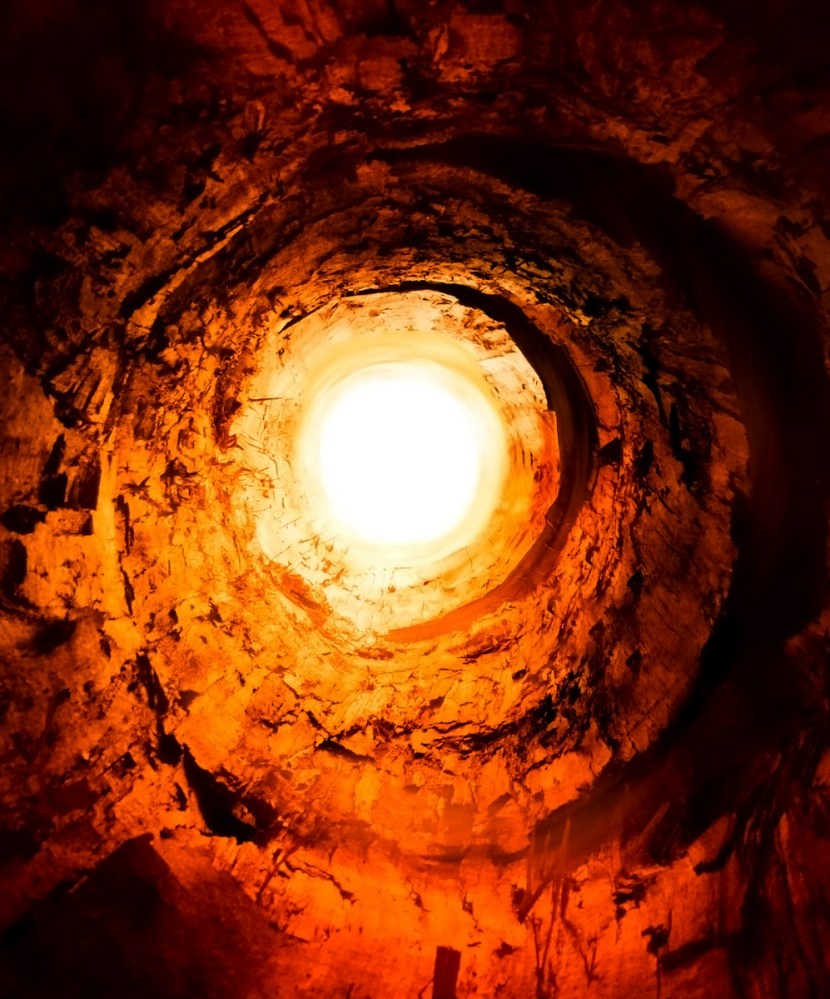
Thrown into the Lake of Fire

This is another in a series of excerpts from What Every Christian Should Know About the Return of Jesus, released by High Street Press and available at Amazon.
While followers of Jesus enjoy everlasting life in glorified bodies on a restored earth, the ultimate destiny of the wicked is the same habitation created for Satan and demons: gehenna.
It’s a place in English we call “hell,” and a place Jesus and the New Testament writers describe in various ways, among them: outer darkness (Matt. 8:12), the second death (Rev. 2:11; 20:14; 21:8), and the lake of fire (Rev. 19:20; 20:10, 14, 15; 21:8).
While the Hebrew term sheol and the Greek hades generally depict the temporary abode of the dead, gehennaand its associated terms describe the place of everlasting future punishment for those whose names are not written in the book of life (Rev. 20:15).
The term gehenna is derived from the Valley of Hinnom. Located southwest of Jerusalem, this steep, rocky valley is the scene of human sacrifices to pagan deities (2 Kings 23:10; 2 Chron. 28:3; 33:6). Jeremiah declares it the “Valley of Slaughter” (Jer. 7:31-34 ESV). To the Jewish mind, the images of fire and destruction become appropriate representations of the fate of idol worshipers.
Continue reading
Does God Plan to Save Satan?

The following excerpt is taken from What Every Christian Should Know About Satan. Order your copy in print, Kindle, or Audible versions here.
Scripture is clear that Satan’s eternal destiny is the unrelenting lake of fire. It is the place into which the antichrist, the false prophet, and all unbelievers are cast as well. It does not appear there is any reversal of fortune for those in hell. Nevertheless, some in the early church took a different view.
Clement of Alexandria, for example, thought there was hope for the devil based on God’s limitless mercy. Clement’s pupil, Origen, took it a step further. He argued for apocatastasis, or the idea that all things made by God return to him. He once wrote, “We believe that the goodness of God through Christ will restore his entire creation to one end, even his enemies being conquered and subdued.”
In Origen’s view, everyone – including Satan, evil spirits, and the most wicked humans – ultimately submit to God’s sovereignty and are saved. Thus, Satan ceases to be evil and has his angelic nature restored.
Continue reading
Two Questions about Hell

The following excerpt is taken from What Every Christian Should Know About Satan. Order your copy in print, Kindle, or Audible versions here.
When we consider the final destiny of Satan, demons, and the unrepentant wicked, at least two questions often arise. In this post, we briefly address both of them: Is hellfire literal? And, Is hell forever?
Is hellfire literal?
We might ask: When Jesus and the New Testament writers depict hell, are we to take the lake of fire literally or figuratively? Godly scholars stand on both sides of the debate. Charles Spurgeon, for example, spoke of hell’s fire as real:
Continue readingNow, do not begin telling me that that is metaphorical fire: who cares for that? If a man were to threaten to give me a metaphorical blow on the head, I should care very little about it; he would be welcome to give me as many as he pleased. And what say the wicked? “We do not care about metaphorical fires.” But they are real, sir – yes, as real as yourself. There is a real fire in hell, as truly as you have now a real body – a fire exactly like that which we have on earth in everything except this – that it will not consume, though it will torture you. You have seen the asbestos lying in the fire red hot, but when you take it out it is unconsumed. So your body will be prepared by God in such a way that it will burn forever without being consumed; it will lie, not as you consider, in metaphorical fire, but in actual flame.
The Lake of Fire and Sulfur
The following excerpt is taken from What Every Christian Should Know About Satan. Order your copy in print, Kindle, or Audible versions here.
Revelation 20:10 reads: “The devil who deceived them was thrown into the lake of fire and sulfur where the beast and the false prophet are, and they will be tormented day and night forever and ever.”
In this verse, John describes Satan’s ultimate destination as “the lake of fire and sulfur.” In Matthew 25:41, Jesus calls it “the eternal fire prepared for the devil and his angels.” Jesus and the New Testament writers also describe this place as “outer darkness,” “eternal punishment,” and “the second death.” But there is an even more descriptive term for this place: gehenna, or hell.
While the Hebrew sheol and the Greek hades generally depict the temporary abode of the dead, gehenna and its associated terms describe a place of everlasting future punishment, not only for Satan and evil spirits, but also for those whose names are not written in the book of life (Rev. 20:15).
Continue reading
The Eternal Fire

The following excerpt is taken from What Every Christian Should Know About Satan. Order your copy in print, Kindle, or Audible versions here.
In Matthew 24-25, Jesus is on the Mount of Olives with his disciples, responding to their questions about the future destruction of the temple and the end of the age. He closes out the so-called Olivet Discourse with the parable of the sheep and goats, revealing the preparation of a final place of judgment for Satan, evil spirits, and unbelievers.
A key verse reads: “Then he [the Son of Man] will also say to those on the left, ‘Depart from me, you who are cursed, into the eternal fire prepared for the devil and his angels!’” (Matt. 25:41).
The central theme of this parable is that Christ separates believers from unbelievers at his return. Jesus also makes it clear that all angelic and human rebels are banished from his presence. This passage deals with human works, not as a condition of salvation, but as evidence of one’s regard for the Son of Man.
Continue reading OnceDelivered.net