All My Days Were Written: Psalm 139:16 (Part 2)

This is another in a series of excerpts from The Book of Life: What the Bible Says about God’s Registry of the Redeemed from High Street Press and available at Amazon. This except comes from Chapter 7: All My Days Were Written: Psalm 139:16.


In the previous post, we were introduced to Psalm 139:16: “Your eyes saw me when I was formless; all my days were written in your book and planned before a single one of them began.” Now, we turn our attention to God’s eternal attributes revealed in this verse.

God’s eternal attributes

Let’s see how David builds a case for God’s eternal attributes, in groups of six verses at a time.

You know all about me

LORD, you have searched me and known me. You know when I sit down and when I stand up; you understand my thoughts from far away. You observe my travels and my rest; you are aware of all my ways. Before a word is on my tongue, you know all about it, LORD. You have encircled me; you have placed your hand on me. This wondrous knowledge is beyond me. It is lofty; I am unable to reach it (Ps. 139:1-6).

David marvels that God knows everything about him and is always with David. The psalmist brings divine omniscience and omnipresence down to a deeply personal level. The Lord has searched and known “me.” He knows when “I” sit down and stand up. He understands “my” thoughts, observes “my” travels and “my” rest, and knows the words the psalmist speaks before they roll off “my” tongue. The Lord has encircled “me,” and placed his hand on “me.” This wondrous knowledge is beyond “me,” that is, beyond David’s comprehension. 

Continue reading

All My Days Were Written: Psalm 139:16

This is another in a series of excerpts from The Book of Life: What the Bible Says about God’s Registry of the Redeemed from High Street Press and available at Amazon. This except comes from Chapter 7: All My Days Were Written: Psalm 139:16.


Your eyes saw me when I was formless; all my days were written in your book and planned before a single one of them began (Ps. 139:16).

So far in our study, we’ve explored references to “the book you [God] have written” (Exod. 32:32), “my [God’s] book” (Exod. 32:33), and “the book of life” (Ps. 69:28). Now, in Psalm 139, David marvels at the all-knowing, all-powerful, and everywhere-present attributes of God. Among the psalmist’s amazements are these words: “All my days were written in your book” (v. 16, emphasis added). 

We begin this study with a few notes about Psalm 139. This is a wisdom psalm that features elements of both a hymn and a lament. The hymn-like portions exalt Yahweh’s greatness, while the lament acknowledges God’s power over all creatures, especially the psalmist.

Continue reading

The Book of Life: Psalm 69:28

This is another in a series of excerpts from The Book of Life: What the Bible Says about God’s Registry of the Redeemed from High Street Press and available at Amazon. This except comes from Chapter 6: The Book of Life: Psalm 69:28.


Let them be erased from the book of life and not be recorded with the righteous (Ps. 69:28).

Psalm 69:28 is the first reference to the book of life by name in Scripture. It shares some themes with “the book you have written” and “my book” in Exodus 32:32-33. For example, in both passages, there is the threat of people being erased from the book. Yet, the messianic context of Psalm 69 offers insights into righteous suffering, divine justice, and a passionate defense of God’s reputation.

When it comes to Psalm 69, British evangelist and author G. Campbell Morgan once commented, “Perhaps in no psalm in the whole psalter is the sense of sorrow profounder or more intense than in this. The soul of the singer pours itself out in unrestrained abandonment to the overwhelming and terrible grief which consumes it.”

Continue reading

The Renewal of All Things

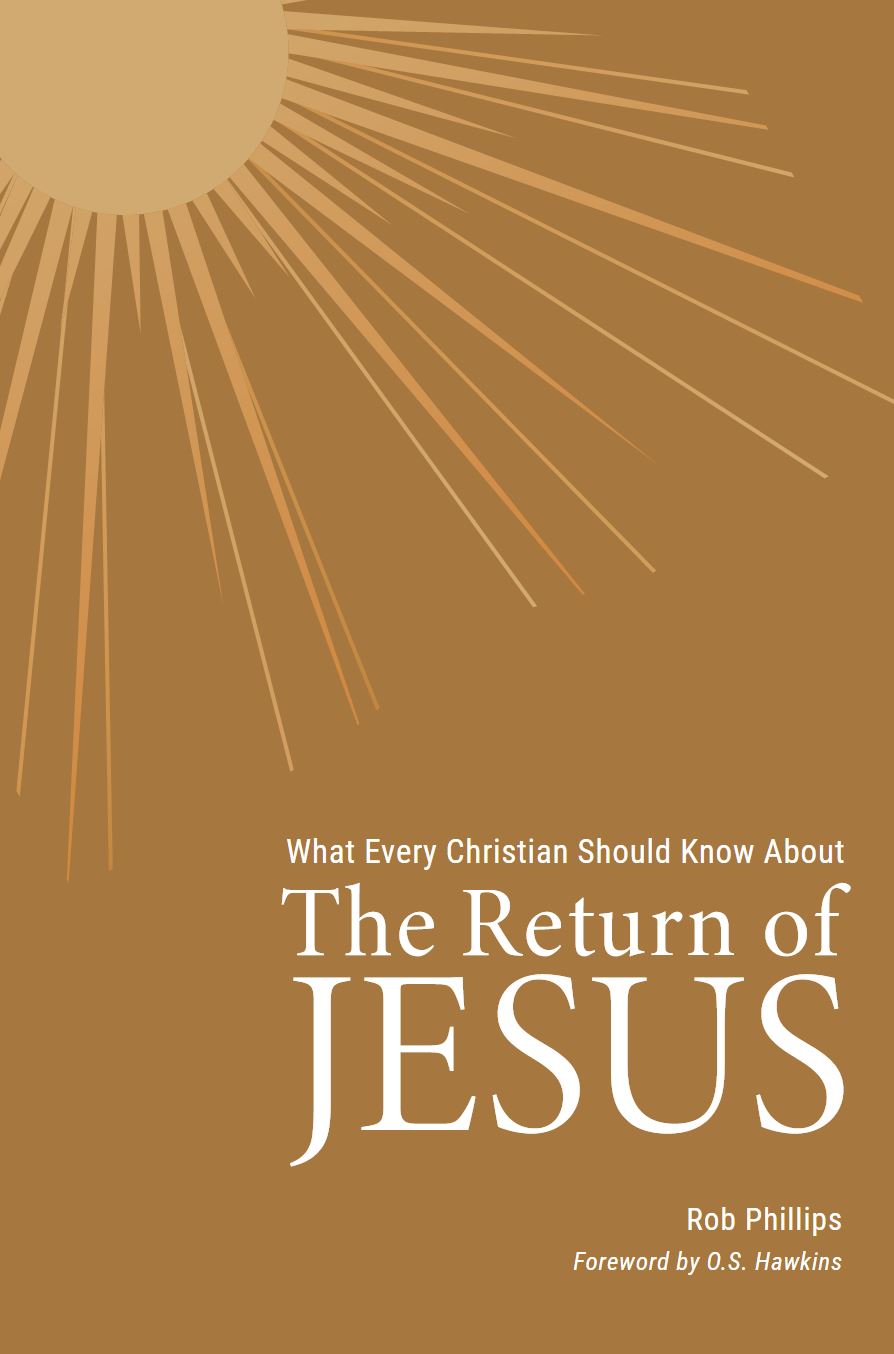
This is another in a series of excerpts from What Every Christian Should Know About the Return of Jesus, released by High Street Press and available at Amazon


All works of art suffer the ravages of time. Museum curators and patrons go to great lengths to preserve masterpieces left in their care. When we see Vincent van Gogh’s The Starry Night, or Michelangelo’s David, we appreciate the care with which these timeless treasures have been handled.

At the same time, some classic paintings and sculptures have fallen into such disarray that they require the expert touch of restorers. Even then, their work often attracts controversy. For example, art lovers continue to debate whether the restoration of the frescoes in the Sistine Chapel between 1980-1994 was a triumph or a travesty. 

Sometimes, however, it’s plain to see when a restoration effort has run horribly off the rails. Take the statue of Virgin Mary and Child Jesus in Sudbury, Canada. Vandals lopped off Jesus’ head, prompting local artist Heather Wise to sculpt a new head of clay. 

When she placed it on the existing stone body, perhaps the only happy person was Matt Groening, creator of The Simpsons. The restored head resembled Maggie Simpson far more than the Son of God. The faithful were so horrified, the original stone head was recovered and put back in place.

Continue reading

The Book You Have Written (Part 3)

This is another in a series of excerpts from The Book of Life: What the Bible Says about God’s Registry of the Redeemed from High Street Press and available at Amazon. This except comes from Chapter 5: The Book You Have Written.


Two previous posts [read #1; read #2] explored the first Old Testament reference to the book of life:

So Moses returned to the LORD and said, “Oh, these people have committed a grave sin; they have made a god of gold for themselves. Now if you would only forgive their sin. But if not, please erase me from the book you have written.” The LORD replied to Moses, “Whoever has sinned against me I will erase from my book” (Exod. 32:31-33).

So, how might we summarize Moses’s conversation with God about “the book you have written”? 

First, at its most basic level, the book of life is a record of the living – that is, those who are alive at a particular time in history, as opposed to those who have died. In the context of Exodus 32, this means a record of living Israelites. But there’s more.

Continue reading