The Renewal of All Things

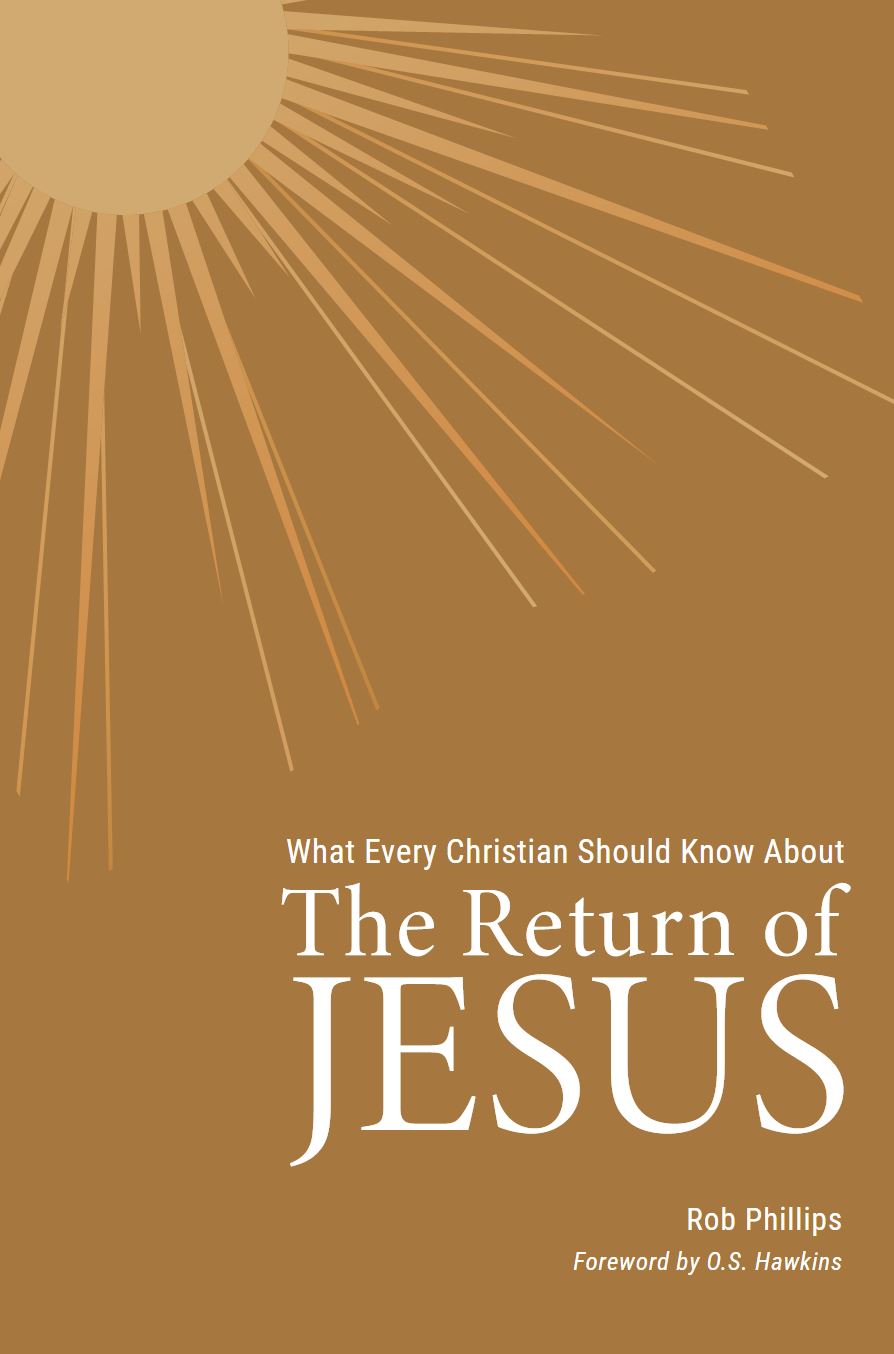
This is another in a series of excerpts from What Every Christian Should Know About the Return of Jesus, released by High Street Press and available at Amazon


All works of art suffer the ravages of time. Museum curators and patrons go to great lengths to preserve masterpieces left in their care. When we see Vincent van Gogh’s The Starry Night, or Michelangelo’s David, we appreciate the care with which these timeless treasures have been handled.

At the same time, some classic paintings and sculptures have fallen into such disarray that they require the expert touch of restorers. Even then, their work often attracts controversy. For example, art lovers continue to debate whether the restoration of the frescoes in the Sistine Chapel between 1980-1994 was a triumph or a travesty. 

Sometimes, however, it’s plain to see when a restoration effort has run horribly off the rails. Take the statue of Virgin Mary and Child Jesus in Sudbury, Canada. Vandals lopped off Jesus’ head, prompting local artist Heather Wise to sculpt a new head of clay. 

When she placed it on the existing stone body, perhaps the only happy person was Matt Groening, creator of The Simpsons. The restored head resembled Maggie Simpson far more than the Son of God. The faithful were so horrified, the original stone head was recovered and put back in place.

Continue reading

The Book You Have Written (Part 3)

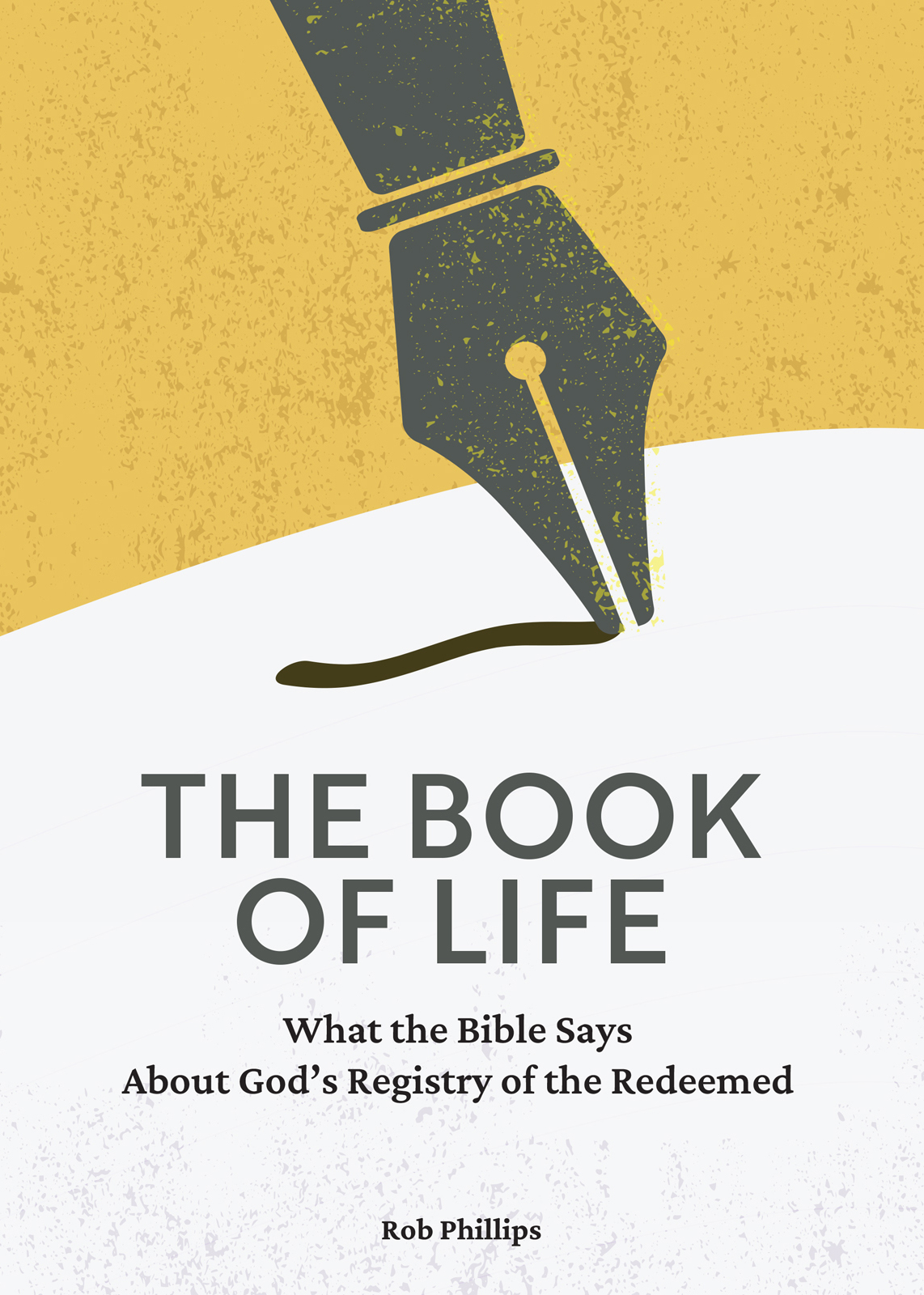
This is another in a series of excerpts from The Book of Life: What the Bible Says about God’s Registry of the Redeemed from High Street Press and available at Amazon. This except comes from Chapter 5: The Book You Have Written.


Two previous posts [read #1; read #2] explored the first Old Testament reference to the book of life:

So Moses returned to the LORD and said, “Oh, these people have committed a grave sin; they have made a god of gold for themselves. Now if you would only forgive their sin. But if not, please erase me from the book you have written.” The LORD replied to Moses, “Whoever has sinned against me I will erase from my book” (Exod. 32:31-33).

So, how might we summarize Moses’s conversation with God about “the book you have written”? 

First, at its most basic level, the book of life is a record of the living – that is, those who are alive at a particular time in history, as opposed to those who have died. In the context of Exodus 32, this means a record of living Israelites. But there’s more.

Continue reading

Erased: The Book You Have Written (Part 2)

This is another in a series of excerpts from The Book of Life: What the Bible Says about God’s Registry of the Redeemed from High Street Press and available at Amazon. This except comes from Chapter 5: The Book You Have Written.


In the previous post, we were introduced to the first Old Testament reference to the book of life:

So Moses returned to the LORD and said, “Oh, these people have committed a grave sin; they have made a god of gold for themselves. Now if you would only forgive their sin. But if not, please erase me from the book you have written.” The LORD replied to Moses, “Whoever has sinned against me I will erase from my book” (Exod. 32:31-33).

In that post, we explored the context in which this referencee to the book of life is set. Now, we note that these verses tell us names may be erased from God’s book. 

Moses doesn’t offer to die instead of the people, but rather with them. God already has honored Moses with the offer of a nation of his own in place of Israel (Exod. 32:10), an offer Moses declines for the sake of God’s reputation among the heathen nations. Now, Moses seems to say that if God judges the Israelites with annihilation, the Lord might as well take the life of their leader as well. 

Continue reading

The Book You Have Written (Part 1)

This is another in a series of excerpts from The Book of Life: What the Bible Says about God’s Registry of the Redeemed from High Street Press and available at Amazon. This except comes from Chapter 5: The Book You Have Written.


This post begins a series of posts on Section II of The Book of Life: The Book of Life in the Old Testament.

The Old Testament features at least seven references to a set of divine books in which people’s names are recorded, along with documentation of their works. We explore these passages on the basis of our discoveries in Section I: (1) the book of life is God’s registry of the redeemed; (2) it’s a real book, not a metaphor for God’s memory; (3) it is the Lamb’s book, purchased by his blood; and (4) names are entered at or after the time of creation, with the unrepentant wicked erased from the book of life when they pass a point of no return.

Now, we begin a series of posts that examine the first biblical reference to the book of life; Moses, speaking to Yahweh, calls it “the book you have written,” and the Lord responds by calling it “my book” (Exod. 32:31-33). Then, we delve into David’s song of lament, in which he petitions the Lord for relief, asking that the names of his tormenters be erased from the book of life (Ps. 69:28). The third reference explores David’s wonder at his own existence, exalting Yahweh for writing all the king’s days in his divine book (Ps. 139:16). 

Next, we see the immediate and prophetic implications of the book of life in the days of Isaiah (Isa. 4:3), followed by the book of life as Daniel shares his vision of the Ancient of Days, and as books are opened before the almighty judge (Dan. 7:9-10). The sixth Old Testament reference propels us to a time of future resurrection and judgment, in which those whose names are written in “the book” escape God’s wrath (Dan. 12:1-3). 

Finally in this section, we investigate the only reference in Scripture to a “book of remembrance” (Mal. 3:16). As a bonus, we’ll note the connection between the Israelite festival of Rosh Hashana and the book of life.

Continue reading

Could Satan be Saved?

This is another in a series of excerpts from What Every Christian Should Know About the Return of Jesus, released by High Street Press and available at Amazon


There doesn’t appear to be any scriptural support for a reversal of fortune in hell. Once there, Satan, demons, and the unrepentant wicked spend eternity without a chance for redemption. Nevertheless, some in the early church took a different view. 

Clement of Alexandria, for example, thought there was hope for the devil based on God’s limitless mercy. Clement’s pupil, Origen, took it a step further. He argued for apocatastasis, or the idea that all things made by God return to him. He once wrote, “We believe that the goodness of God through Christ will restore his entire creation to one end, even his enemies being conquered and subdued.” 

In Origen’s view, everyone – including Satan, evil spirits, and the most wicked humans – ultimately submit to God’s sovereignty and are saved. Thus, Satan ceases to be evil, and his angelic nature is restored. 

Origen’s view never gained much traction. Jerome and Augustine countered it. And the Council of Constantinople II in A.D. 553 anathematized the idea that the demonic could revert to the angelic in nature. In Against the Darkness, Graham Cole summarizes, “The darkness won’t extinguish the light. The destiny of the darkness is its destruction. Fallen angels will experience the eternal fire. The devil may be the prince of this world. Be that as it may, in the next he has no kingdom.” 

Continue reading