
Category: Return of Jesus – Book
Features of New Jerusalem: Part 3
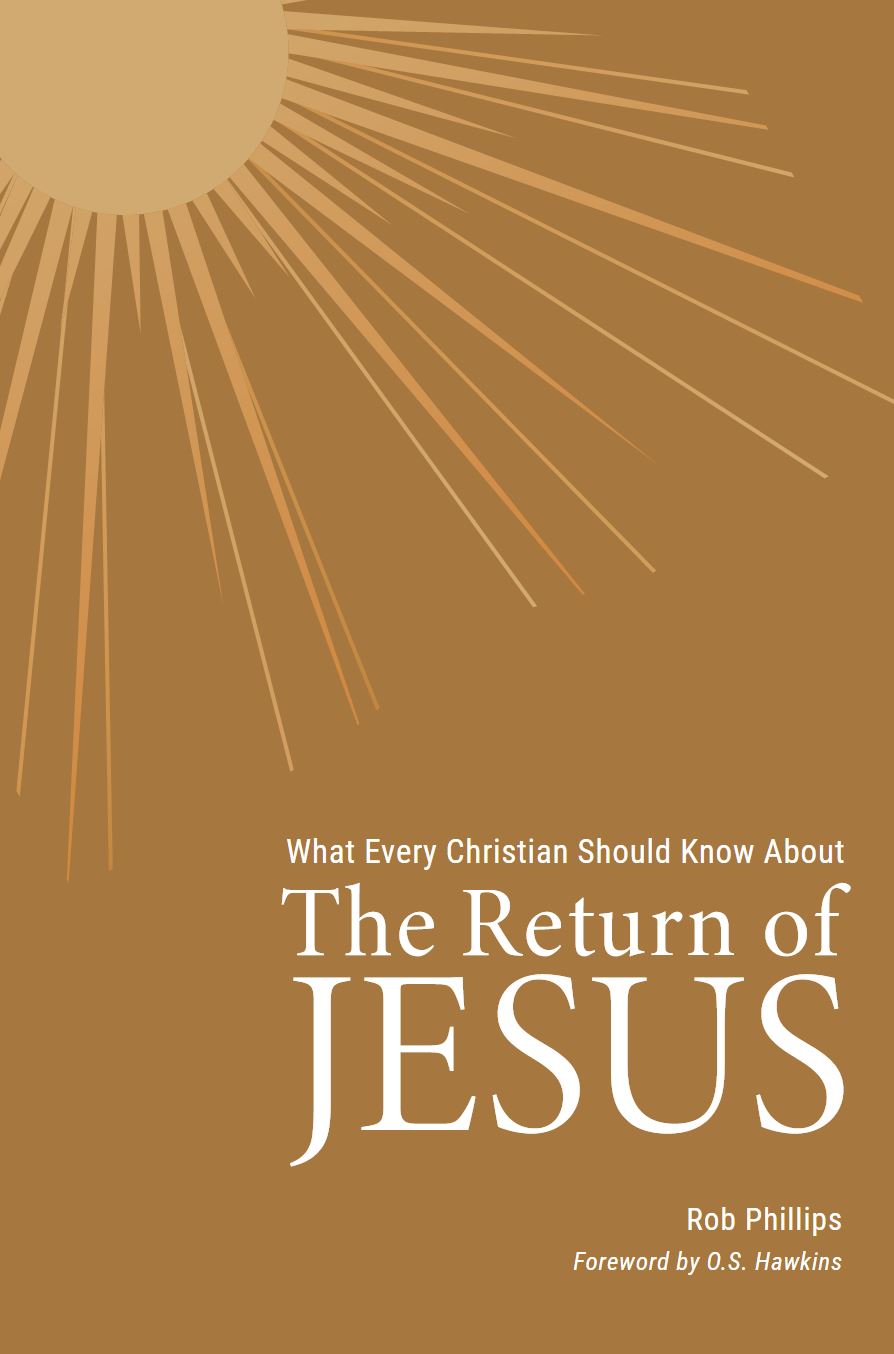
This is another in a series of excerpts from What Every Christian Should Know About the Return of Jesus, released by High Street Press and available at Amazon.
In the previous posts (Part 1; Part 2), we explored some key features of New Jerusalem. We continue this study now.
New Jerusalem lacks a temple, stellar lights, a closing time, and anything unclean (Rev. 21:22-27).
After a detailed description of New Jerusalem’s exterior, John turns his attention inside the city walls. He notes first of all the absence of a temple “because the Lord God the Almighty and the Lamb are its temple” (v. 22).
Historical Jerusalem is known as the city of God because his presence resides there in the temple (1 Kings 8:10-13). The people of God approach him through a mediator, a high priest who offers atoning sacrifices for the peoples’ sins in the holy of holies on the Day of Atonement.
The atoning blood is carried through a thick veil and sprinkled on the mercy seat, above which the Shekinahglory blazes. There, the wrath of God is satisfied and his mercy is extended to sinful creatures. All of this activity inside the cube-shaped holy of holies bears forward-looking significance. The day is coming when God himself provides a sacrifice – the Lamb of God who takes away the sin of the world (John 1:29).
Continue reading Features of New Jerusalem: Part 2
This is another in a series of excerpts from What Every Christian Should Know About the Return of Jesus, released by High Street Press and available at Amazon.
In the previous post, we began to explore some key features of New Jerusalem. We continue this study now.
New Jerusalem is arrayed with God’s glory.
John writes of New Jerusalem, “Her radiance was like a precious jewel, like a jasper stone, clear as crystal” (21:11). The most significant quality of New Jerusalem is stated at the outset: it is the radiance of God, the sign of his visible presence.
As in the burning bush, the pillar of cloud and fire, the Shekinah glory in the holy of holies, and the brilliance of Jesus’ presence on the mount of transfiguration, God is light, and in him there is no darkness at all (1 John 1:5). Isaiah foretells the work of the divine warrior who penetrates the earth’s spiritual darkness (Isa. 59:17-21). As a result, Isaiah exults, “Arise, shine, for your light has come, and the glory of the LORD shines over you” (Isa. 60:1).
In a similar fashion, Ezekiel sees the glory of God returning through the eastern gate of the temple, from which the glory had earlier departed. He describes it in these terms: “I saw the glory of the God of Israel coming from the east. His voice sounded like the roar of a huge torrent, and the earth shone with his glory” (Ezek. 43:2).
Continue reading Features of New Jerusalem: Part 1
This is another in a series of excerpts from What Every Christian Should Know About the Return of Jesus, released by High Street Press and available at Amazon.
In the previous post, we began to focus on John’s vision of New Jerusalem and the new heavens and earth (Rev. 21-22). Now, we begin a series of posts that explore some key features of New Jerusalem.
New Jerusalem is a holy city (Rev. 21:2, 10).
Humans have built many great cities over the centuries, from ancient Babylon to modern-day Tokyo. But New Jerusalem is unique in that it is a city built without hands. The writer of Hebrews tells us Abraham saw New Jerusalem from afar. He may have lived in tents as a foreigner in the Promised Land, but “he was looking forward to the city that has foundations, whose architect and builder is God” (Heb. 11:10).
New Jerusalem is a holy city because it is the city of God. It is his home, his dwelling place, and he invites us to live there forever with him. It is a holy place because God is holy – set apart, unique, perfect, and righteous. God’s otherness sets him apart from all creatures. He is eternal, all-knowing, all-powerful, everywhere present, unchanging, and transcendent. Wherever God visits creation, that place is holy ground, as Moses and Joshua experienced (Exod. 3:5; Josh. 5:15).
Continue reading Our Eternal Home: Part 3
This is another in a series of excerpts from What Every Christian Should Know About the Return of Jesus, released by High Street Press and available at Amazon.
In the previous two columns [read #1 … #2], we looked at Jesus’ words about “the renewal of all things” (Matt. 19:28) and Peter’s writing about “the day of the Lord” (2 Pet. 3:10-13). In this column, we begin to focus on John’s vision of New Jerusalem and the new heavens and earth (Rev. 21-22).
Revelation 21-22
The final chapters of Scripture offer details about what Jesus describes as “the renewal of all things” (Matt. 19:28) and what Peter portrays as “new heavens and a new earth” (2 Pet. 3:13). Volumes have been written on Revelation 21-22. Space does not permit a full exploration here. So, in this post and future posts, let’s consider just three components of our future life in the new heavens and new earth: the descent of New Jerusalem; the lifting of the curse; and the restoration of Eden.
Continue reading Our Eternal Home: Part 2
This is another in a series of excerpts from What Every Christian Should Know About the Return of Jesus, released by High Street Press and available at Amazon.
In the previous column we looked at Jesus’ words about “the renewal of all things” (Matt. 19:28). Now, we’ll examine Peter’s writing about “the day of the Lord.”
2 Peter 3:10-13
But the day of the Lord will come like a thief; on that day the heavens will pass away with a loud noise, the elements will burn and be dissolved, and the earth and the works on it will be disclosed. Since all these things are to be dissolved in this way, it is clear what sort of people you should be in holy conduct and godliness as you wait for the day of God and hasten its coming. Because of that day, the heavens will be dissolved with fire and the elements will melt with heat. But based on his promise, we wait for new heavens and a new earth, where righteousness dwells.
Before Jesus introduces us to new heavens and a new earth, he must first deal with the sinful corruption of the universe as we know it. This “day of the Lord” comes suddenly and unexpectedly, the way a thief uses the element of surprise to plunder the goods of unsuspecting victims. But, once that day comes, the Lord introduces it with great fanfare.
Continue reading OnceDelivered.net