
Our Eternal Home: Part 1
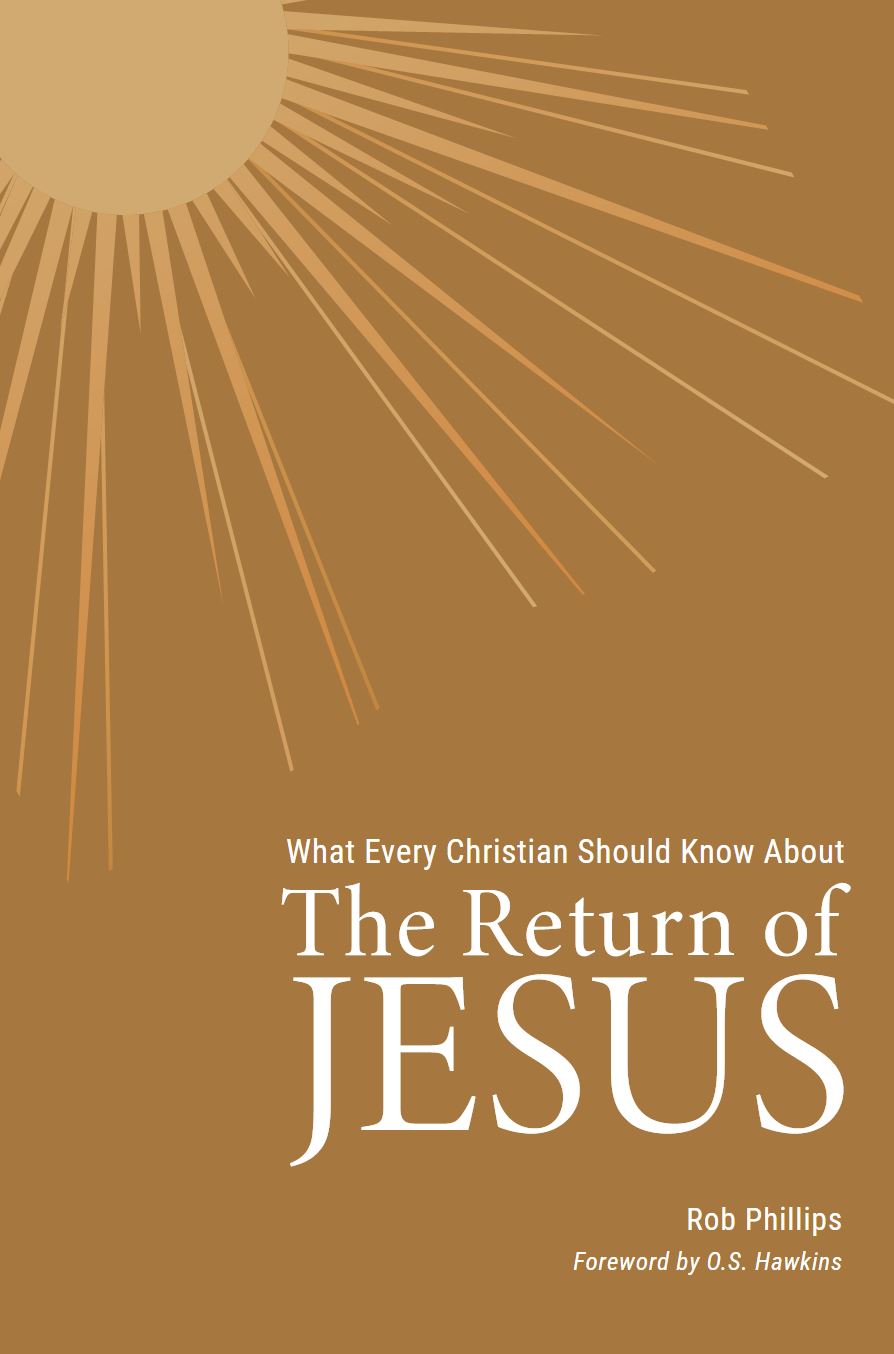
This is another in a series of excerpts from What Every Christian Should Know About the Return of Jesus, released by High Street Press and available at Amazon.
In this column and the next two columns, we’ll look at three New Testament passages that help us grasp the promise of our eternal home.
Matthew 19:28
Jesus said to them, “Truly I tell you, in the renewal of all things, when the Son of Man sits on his glorious throne, you who have followed me will also sit on twelve thrones, judging the twelve tribes of Israel.”
This verse comes in the context of Jesus’ instructions to his disciples about possessions and the kingdom of heaven. The disciples have just witnessed Jesus’ encounter with the rich young ruler, whose love of wealth goads him to walk away from the Lord’s invitation to eternal life (Matt. 19:16-22).
Jesus tells the disciples how hard it is for a rich person, like the young ruler, to enter the kingdom. Those who invest their lives and resources in the corrupt and fleeting domain of the evil one have no regard for the eternal king who offers them so much more.
Wealth itself is morally neutral. The Bible urges us to work hard, invest wisely, and enjoy the fruits of our labors. In that regard, wealth is a blessing. But it also may be a curse in that it becomes a barrier to those seeking to enter the kingdom of God. As R. C. Sproul notes, “Wealth can be a god, and as such it must be set aside if one is to follow God. This is no easy step.”
Since we’re all worldly beings, made of dust and prone to embrace the creature comforts the evil one offers, the disciples ask in amazement, “Then who can be saved?” (Matt. 19:25). Perhaps this reflects the Jewish tradition that equates riches with God’s blessing. If those viewed as most blessed by God are unlikely to make it, how does anyone else stand a chance?
Jesus responds, “With man this is impossible, but with God all things are possible” (Matt. 19:26). The Son of God left heaven and pitched his tent with us to show us there is a better kingdom than the one we now inhabit, and to present himself as the door into that kingdom. Salvation is totally of the Lord, and the Spirit is the one who regenerates hearts.
Peter says to Jesus, “See, we have left everything and followed you. So what will there be for us?” (Matt. 19:27). He seems to be asking how the disciples would be compensated for their voluntary poverty if wealthy people could enjoy their earthly riches and also be welcomed into the kingdom.
Jesus offers Peter a longer view – a glimpse of the world to come. There, Christ sits on his glorious throne, and the apostles – mostly blue-collar workers, not the world’s rich and famous – sit on thrones as well, ruling over the twelve tribes of Israel. This delayed reward in “the renewal of all things” is far better than the riches of this world (Matt. 19:28).
The word “renewal” (Gr. paligenesia) comes from two Greek words that together mean “new genesis” or “coming back from death to life.”8 This Greek noun appears only twice in the New Testament – Matthew 19:28 and Titus 3:5 – but the concept of regeneration goes beyond this single word, embracing the ideas of being “born again” (John 3:3; 1 Pet. 1:23), “born of the Spirit” (John 3:5), becoming a “new creation” (2 Cor. 5:17; Gal. 6:15), and experiencing a “new birth” (1 Pet. 1:3).
In Matthew 19:28, palingenesia refers to God’s ultimate renovation of the cosmos, while in Titus 3:5 it speaks of the work of the Holy Spirit, bringing back to life a dead human spirit, “a radical change of heart and mind resulting in renewed devotion to God and Christ.”
So, when Jesus invites his disciples to look toward “the renewal of all things,” they understand this in the context of their earthly experiences, not just their need of spiritual rebirth. Indeed, the Bible speaks comprehensively about God’s work of redemption embracing not just the spiritual realm but the fallen physical world as well.
Randy Alcorn writes:
God has his hands on the earth. He will not let go – even when it requires that his hands be pierced by nails. But his incarnation and those nails secured him to Earth and its eternal future. In a redemptive work far larger than most imagine, Christ bought and paid for our future and the earth’s.
A couple of final observations before moving on. Jesus tells the apostles that “everyone who has left houses or brothers or sisters or father or mother or children or fields because of my name will receive a hundred times more and will inherit eternal life” (Matt. 19:29). This promised hundred-fold reward assures all followers of Jesus that he compensates us for temporal loss with everlasting gain – and with compounding interest that grows without end.
Jesus then remarks: “But many who are first will be last, and the last first” (Matt. 19:30). In the renewal of all things, many of the world’s great men and women – the wealthy, powerful, influential, and elite, including the rich young ruler and the unbelieving religious leaders Jesus encounters – will find themselves “last.” They will discover they are judged and excluded from the kingdom of heaven.
Meanwhile, the “last” of this world – the shunned and dispossessed who have followed Christ – are honored and invited to feast at the Lamb’s banquet table. Like those at Jesus’ right hand in the parable of the sheep and goats, they hear their master say, “Come, you who are blessed by my Father; inherit the kingdom prepared for you from the foundation of the world” (Matt. 25:34).
Next: Our Eternal Home: Part 2
 OnceDelivered.net