
Seven Observations about the Unnamed Books of Daniel 7
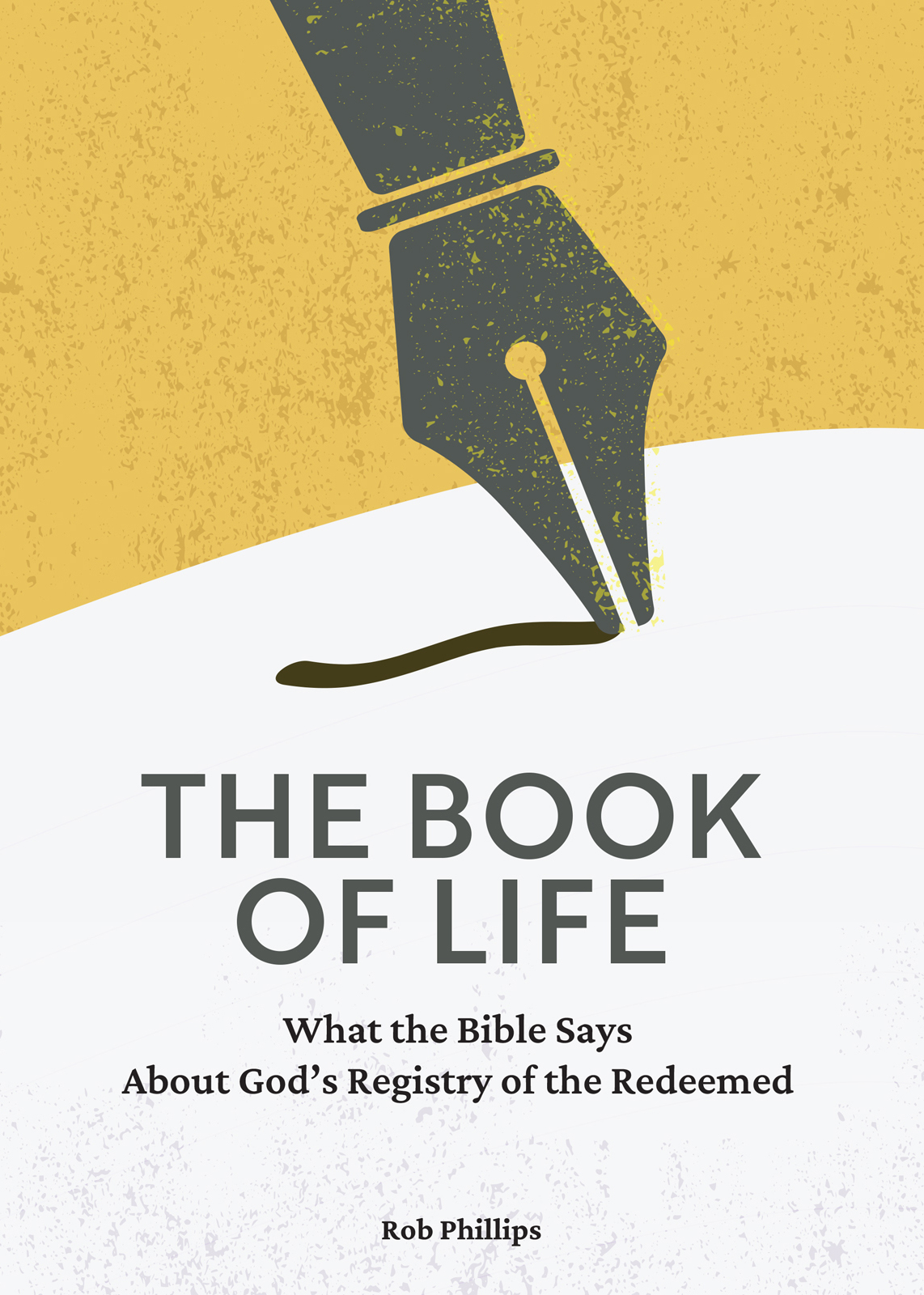
This is another in a series of excerpts from The Book of Life: What the Bible Says about God’s Registry of the Redeemed from High Street Press and available at Amazon. This except comes from Chapter 9: The Books Were Opened: Daniel 7:9-10.
In the previous post, we examined the opening of unnamed books in Daniel 7. Now, here are seven observations about these books.
First, final judgment is certain. While God judges people and nations in various ways throughout human history, a day is coming when every person stands before God and gives an account of his or her life (John 5:28-29). Final judgment also is set for Satan and rebellious angels (Matt. 25:41; Rev. 20:10).
Second, God is the judge. In the case of Daniel 7, the Ancient of Days sits as magistrate, because he’s judging the antichrist and his counterfeit work against the Son of God. Jesus does not judge here in his own cause; rather, the Father brings the gavel of justice down on the one who presumes to take the Son’s place. Ultimately, however, Jesus is the judge, for the Father has entrusted all judgment to him (John 5:22). Whether it’s the judgment of sheep and goats, the judgment seat of Christ, or the judgment of the great white throne, Jesus sits as the final arbiter of justice over all people.
Third, people are judged according to what’s written in the books. God’s memory is perfect; he doesn’t need to be reminded of anyone’s thoughts, words, or deeds. Nevertheless, he records these in order to lay out the evidence for all to see. Nothing is hidden; the litany of trespasses we’ve accumulated over our lifetimes is now laid bare before us.
There is no hope for anyone before the throne – for all of us are sinners – unless the Son of Man steps forward to declare he has assumed the burden of our sins; that his blood has paid the sin debt owed an offended and righteous God; that those who freely receive him are the special objects of his grace; and that, by his blood, our sins are not merely the articles of atonement – they’ve been completely removed.
Fourth, there are only two eternal destinies. For those written in the book of life, there is everlasting joy in the presence of the triune God, heavenly creatures, and a host of the redeemed: “Come, you who are blessed by my Father; inherit the kingdom prepared for you from the foundation of the world” (Matt. 25:34).
For those whose names have been blotted out of the book of life, there is outer darkness: “‘Depart from me, you who are cursed, into the eternal fire prepared for the devil and his angels!’ … And they will go away into eternal punishment, but the righteous into eternal life” (Matt. 25:41, 46).
Fifth, there are no revised editions of the books. There’s no opportunity to erase our words or deeds; no chance to submit appendices; no redactions; no edits; no footnotes; no epilogues. The time to secure our entrance in the book of life is on this side of the grave, for as the writer of Hebrews notes, “it is appointed for people to die once — and after this, judgment” (Heb. 9:27).
Sixth, the enemies of God and his people are brought low. Whether it’s individuals or nations that oppose the Lord, he puts down all rebellion on the last day. Even the antichrist ultimately must bow the knee and declare that Jesus Christ is Lord (Phil. 2:10-11).
John records loud voices in heaven proclaiming, “The kingdom of the world has become the kingdom of our Lord and of his Christ, and he will reign forever and ever” (Rev. 11:15).
Then, John sees twenty-four elders fall face-down in worship:
We give you thanks, Lord God, the Almighty, who is and who was, because you have taken your great power and have begun to reign. The nations were angry, but your wrath has come. The time has come for the dead to be judged and to give the reward to your servants the prophets, to the saints, and to those who fear your name, both small and great, and the time has come to destroy those who destroy the earth (Rev. 11:17-18).
Seventh, Messiah’s kingdom prevails. One like a son of man – the eternal Son of God who became flesh – approaches the Ancient of Days and receives his kingdom (Dan. 7:13-14; cf. John 1:14). Sinclair Ferguson writes:
This figure is True Man by contrast with the beasts. He is able to bear the holiness of God and remain in his presence. In this figure the rock of Nebuchadnezzar’s dream (Dan. 2:35, 44-45) becomes a man in whom the true image of God shines forth (Gen. 1:26-28), the Messianic Man who will be God’s true regent (cf. Pss. 2:8; 8:4-8; 72:1-11, 17; Heb. 2:5-9; 12:28).
As Jesus tells his disciples:
And he [the Father] has granted him [Jesus] the right to pass judgment, because he is the Son of Man. Do not be amazed at this, because a time is coming when all who are in the graves will hear his voice and come out — those who have done good things, to the resurrection of life, but those who have done wicked things, to the resurrection of condemnation. I can do nothing on my own. I judge only as I hear, and my judgment is just, because I do not seek my own will, but the will of him who sent me (John 5:27-30).
Christ’s kingdom
Christ’s kingdom is universal, involving all creatures in the visible and unseen realms. His kingdom ushers in new heavens and a new earth. And it sets right the wrongs that millennia of rogue kings and kingdoms have committed, bringing everything together under the lordship of Christ, who, in loving harmony with the Father, subjects all creation to him.
Paul captures this event in his first letter to the Corinthians:
Then comes the end, when he [Jesus] hands over the kingdom to God the Father, when he abolishes all rule and all authority and power. For he must reign until he puts all his enemies under his feet. The last enemy to be abolished is death. For God has put everything under his feet. Now when it says “everything” is put under him, it is obvious that he who puts everything under him is the exception. When everything is subject to Christ, then the Son himself will also be subject to the one who subjected everything to him, so that God may be all in all (1 Cor. 15:24-28).
Note that all authority, which has been granted to the resurrected Son by the Father (Matt. 28:18), is returned to the Father after final judgment. Satan, rebellious angels, and the unrepentant wicked are cast into outer darkness. The faithful are glorified –conformed to the image of Christ in his sinlessness and immortality. The last enemies of God are vanquished, including death. Sin and its stain are purged from the created order as new heavens and a new earth come into view.
And then, Jesus hands the restored kingdom back to the Father and subjects himself to the Father “so that God may be all in all.” These are curious truths. Why would Jesus give back the kingdom? Because it was entrusted to him for the purpose of redemption.
What Adam lost in the Fall, Christ reclaimed in his mission to earth. All the effects of sin are reversed. Jesus has abolished all rule and authority in opposition to the triune God. And now, he returns to the Father the universe he has cleansed with his own blood. As the Father sent the Son to be the Savior of the world (1 John 4:14), the Son has accomplished his campaign to earth and presents the revived kingdom as a gift to the Father.
The Son returns the kingdom to his Father and submits to his authority. That is, Jesus returns his temporary authority over judgment and the kingdom to the Father rather than keep it for himself. The triune Godhead – the Father, Son, and Holy Spirit who created all things, hold all things together, and play key, complementary roles in redemption – once again share the authority over all things after fulfilling their functions in the defeat of Satan and the reclamation of mankind.
That’s why Paul writes, “When everything is subject to Christ, then the Son himself will also be subject to the one who subjected everything to him, so that God may be all in all” (1 Cor. 15:28). Ultimately, “all in all” is an expression of the rightful authority of the triune God. In the future, when Christ sets everything right, the Father, Son, and Holy Spirit once again reign together over the universe they created.
As one commentary notes, God will be “the one and only Ruler of all hearts and lives and the only desire of His creatures. When God is all in all, our redemption will be fully accomplished, and God’s glory will fill all creation (cf. Ps. 72:19).”
Next: All found written the book will escape – Daniel 12:1-3
 OnceDelivered.net